By MANKE Product Engineering Team
Executive Answer
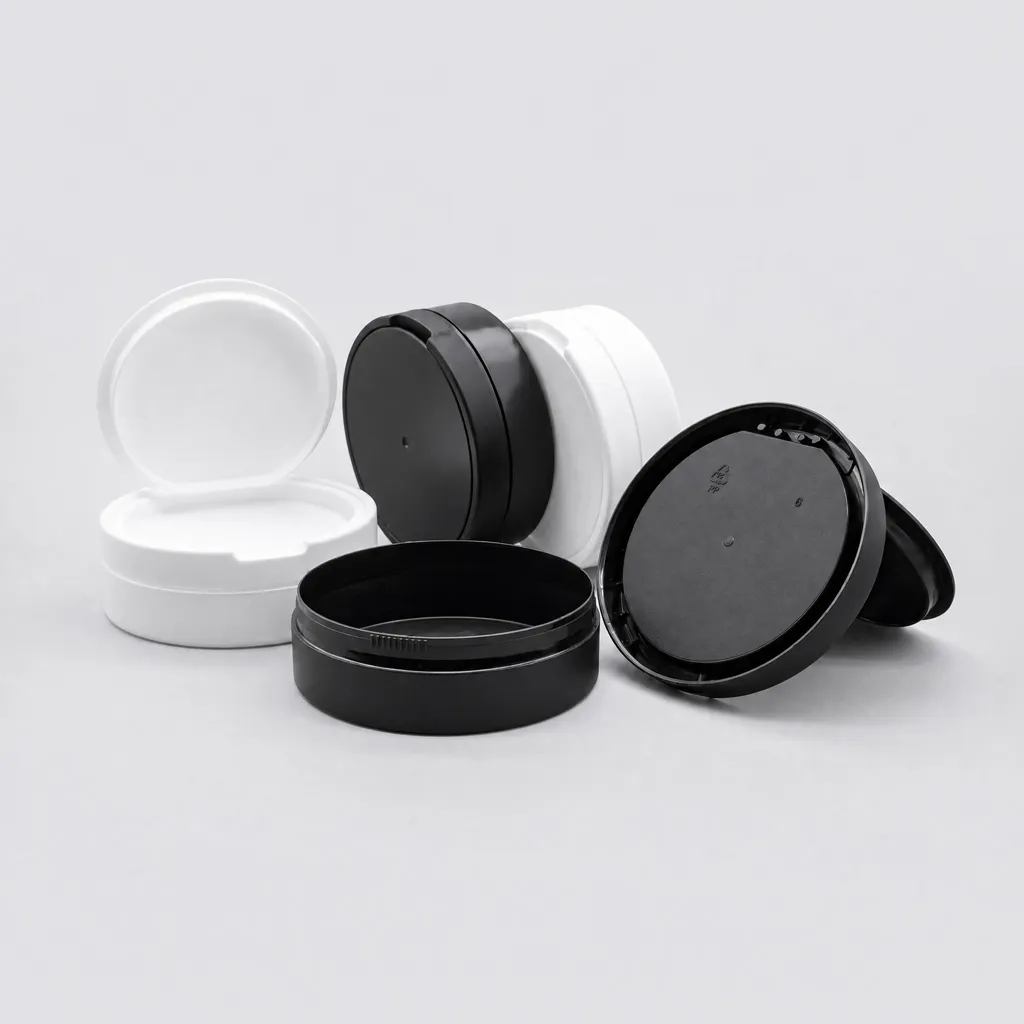
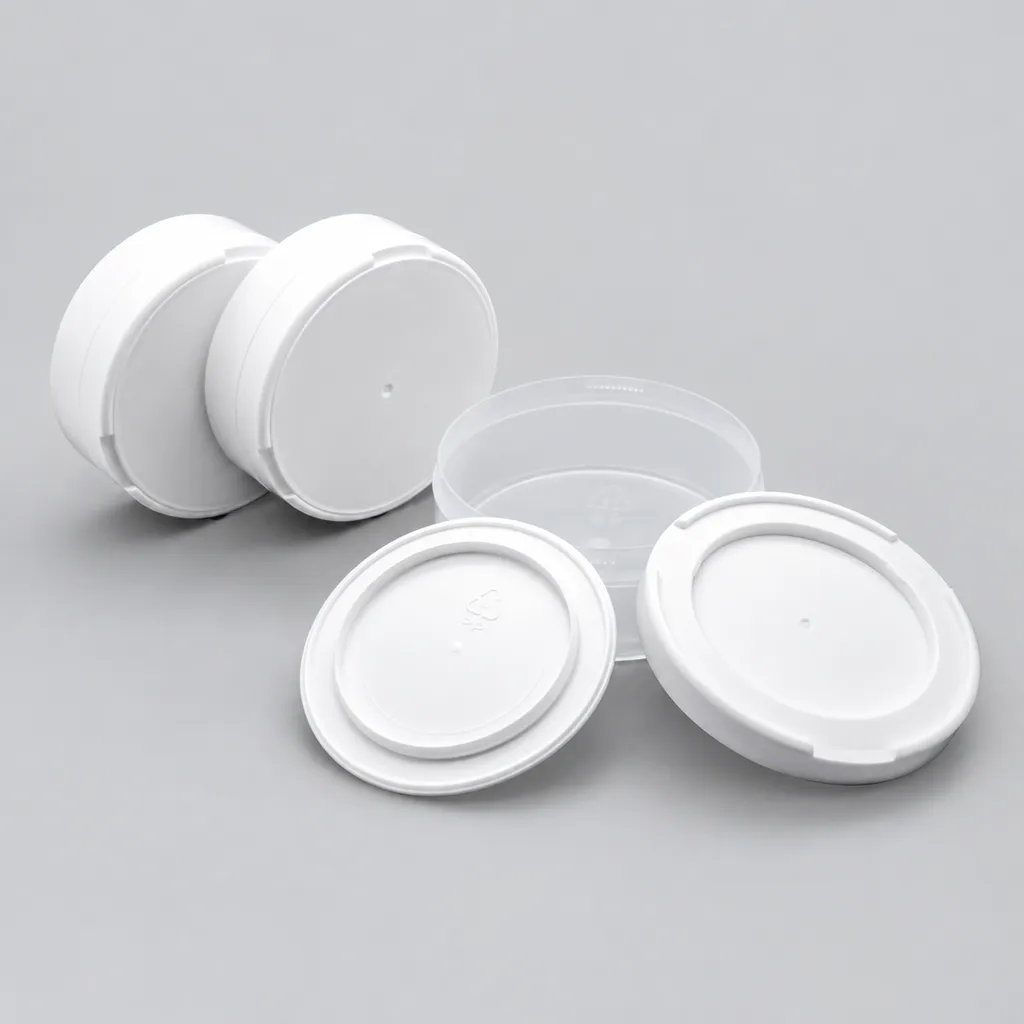
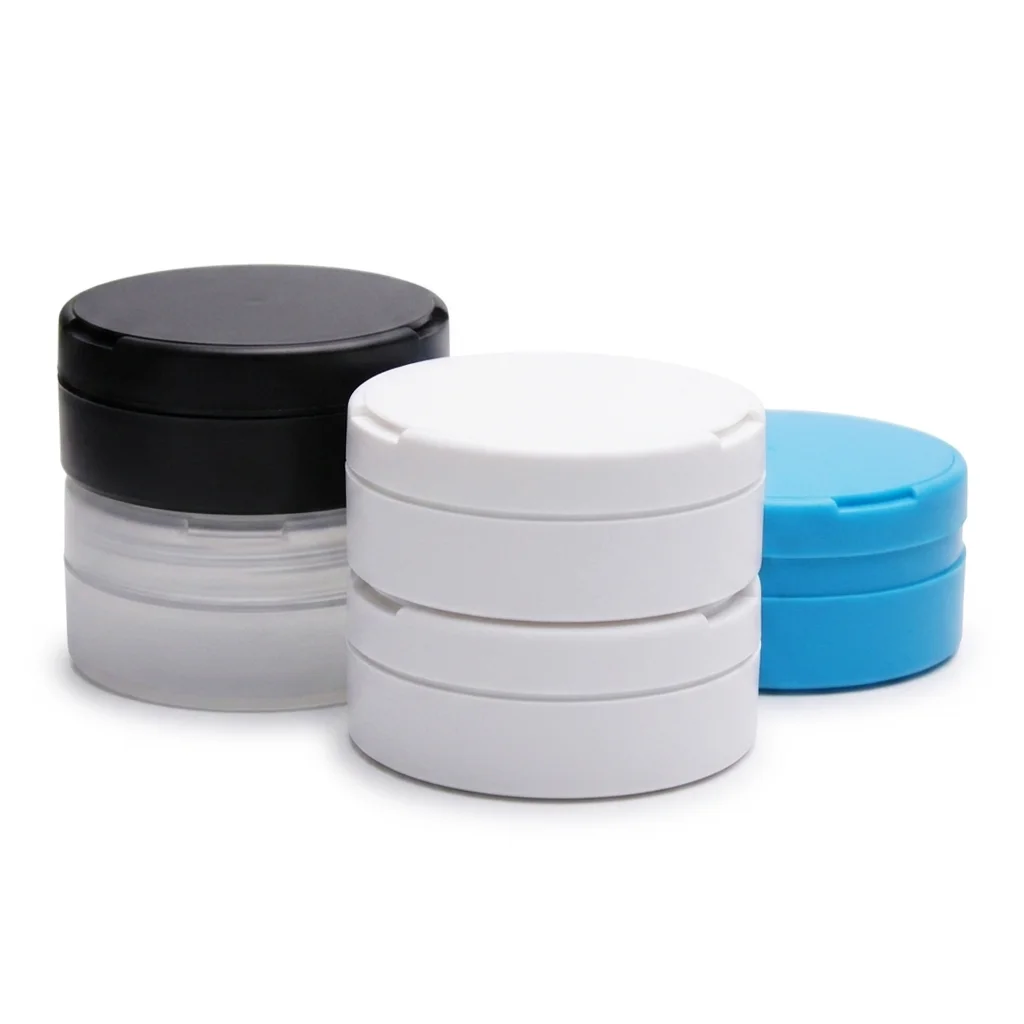
There are four main snus can lid types for nicotine pouch brands:
- Snap-Lid — lowest cost, reliable press-fit seal, best for volume launches
- Snap-On Lid — dual-compartment design with used-pouch compartment, premium click feel, mid-tier positioning
- Flip-Top — one-handed opening, on-the-go convenience, convenience-store friendly
- Child-Resistant (CR) — push-and-turn safety, required or strongly recommended for regulated retail
The right choice depends on three factors: your target market’s regulations, your brand’s positioning, and your consumer’s use environment.
Why Lid Type Matters
The lid is the part of the can your consumer interacts with most. It also determines:
- Shelf life: closure design and optional gaskets determine how well fills stay protected from moisture
- Consumer experience: flip-top enables one-handed use; snap-on provides tactile feedback
- Regulatory access: CR closures open or close retail markets
- Production cost: material weight and cycle time vary by structure
- Filling-line compatibility: not all closures run at the same speed on the same equipment
Choosing the wrong lid type creates expensive problems. A premium brand using a basic snap-lid may underdeliver on perceived quality. A convenience-store brand using a two-piece snap lid may lose repeat purchases to competitors with one-handed flip-tops.
MANKE offers all four lid types on its standard empty plastic snus cans, with optional child-resistant upgrades for regulated markets.
What Are the Main Types of Snus Can Lids?
1. Snap-Lid
Structure: Single-wall food-grade PP body with removable press-fit lid
Weight: ~12g
Seal: Press-fit snap, optional silicone gasket
Best for: Cost-sensitive launches, high-volume SKUs, moist products
Snap-lid is the default entry point for most new nicotine pouch brands. It is commonly selected when brands prioritize reliable sealing performance and cost efficiency. The can carries no integrated catch-lid compartment, which keeps the structure simple, tooling-free, and fast to sample. Brands can start non-CR and later move up to a push-and-turn CR can in the same Ø70 mm format without changing suppliers.
Trade-offs: Requires two hands to open. No integrated catch-lid compartment. Less premium feel than snap-on or flip-top.
2. Snap-On Lid
Structure: Dual-compartment body with press-fit cap and used-pouch compartment (catch lid)
Weight: ~14g
Seal: Press-fit with audible click
Best for: Mid-tier brands, premium tactile feel, retail shelf differentiation
Snap-on lid cans use a dual-compartment design: a main compartment for fresh pouches plus an integrated used-pouch compartment — a small secondary chamber, often called a catch lid, for spent pouches. The press-fit cap closes with a satisfying click.
Trade-offs: ~15–20% higher unit cost than Snap-Lid, and slightly heavier (~14g vs ~12g). One hand can open it, but not as easily as flip-top.
See MANKE snap-on lid snus can →
3. Flip-Top
Structure: Dual-compartment body with integrated hinged lid and used-pouch compartment (catch lid)
Weight: ~15g
Seal: Hinged snap closure
Best for: On-the-go use, convenience stores, automotive, frequent daily users
Flip-top is the most consumer-friendly closure for mobile use. The lid is hinged to the body, so it cannot be lost, and the entire can opens and closes with one hand. This format is common among brands targeting convenience-store and on-the-go consumers.
Trade-offs: Hinge is a wear point over thousands of cycles. Integrated lid means you cannot switch closure types without changing the entire can. Not available in CR without a dedicated CR flip-top design.
4. Child-Resistant (CR)
Structure: Base + collar + push-and-turn lid
Weight: ~13g
Seal: Dual-action lock
Best for: Regulated retail markets
CR is not a luxury feature. It is a market-access consideration for nicotine pouch retail in many developed markets. The push-and-turn mechanism is tested to ISO 8317 and 16 CFR 1700.20 standards, making it difficult for children under 5 to open while remaining accessible to adults.
Important: CR is not the same as a catch-lid. A catch-lid is a consumer convenience compartment. A CR closure is a safety mechanism. Some cans have both; many do not.
See MANKE child-resistant snus can →
What About Threaded (Screw-Top) Cans?
Threaded screw-top cans exist in the wider market and are sometimes referenced in older supplier catalogs. They seal well, but they require two-handed opening, add thread-molding complexity, and are less common in current nicotine pouch formats.
MANKE does not offer a threaded SKU. Our Snap-Lid can covers the same entry-level role — comparable seal performance with an optional silicone gasket, simpler tooling, and faster sampling — which is why most new brands starting with us choose snap-lid over threaded structures.
Decision Framework: Which Lid Type Is Right for You?
| If your brand is… | Choose | Why |
|---|---|---|
| Launching on a tight budget | Snap-Lid | Lowest cost, fastest sampling, reliable seal |
| Positioning mid-tier or premium | Snap-On Lid | Better rigidity, tactile click, catch-lid included |
| Targeting convenience stores / on-the-go | Flip-Top | True one-handed operation, no lost lid |
| Entering regulated retail | Child-Resistant | Required or strongly recommended in many markets |
| Premium brand above commodity pricing | Aluminum CR | CNC-machined, anodized finish, flagship positioning |
Material Decision: Plastic vs Aluminum
Once you have chosen a closure type, decide on material:
- Plastic (PP): Volume product, lower cost, faster sampling, flexible decoration
- Aluminum (6061): Premium niche, CNC precision, anodized finish, heavier tactile feel
Plastic dominates B2B search demand, but aluminum commands higher perceived value and margin.
See all MANKE snus can styles →
Not sure which closure matches your market?
Compare specifications with MANKE engineers →
Common Mistakes
Mistake 1: Confusing catch-lid with child-resistant
A catch-lid compartment stores used pouches. A CR closure prevents children from opening the can. They are different features. Do not assume a flip-top or snap-on can with a catch-lid meets CR requirements.
Mistake 2: Choosing by appearance alone
The best-looking can may not run cleanly on your filling line. Confirm closure torque, capping speed, and line calibration before committing.
Mistake 3: Ignoring market requirements
If you plan to enter US or EU retail, verify CR requirements early. Retrofitting a non-CR launch can delay market entry by weeks.
Mistake 4: Assuming all Ø70mm cans are interchangeable
Diameter may match, but wall thickness, closure geometry, and catch-lid depth vary. Always test samples on your actual line before approving production.
MANKE Product Line Match
MANKE’s standard snus can lineup maps directly to this framework:
| Your Need | MANKE SKU | Lid Type |
|---|---|---|
| Lowest cost entry | MK-SNUS-PP-SL | Snap-Lid |
| Premium feel + catch-lid | MK-SNUS-PP-SNL | Snap-On Lid |
| One-handed convenience | MK-SNUS-PP-FT | Flip-Top |
| Regulated retail compliance | MK-SNUS-PP-CR | Child-Resistant |
| Premium aluminum flagship | MK-SNUS-AL-CR | CNC CR |
| Unique dimensions or closure | MK-SNUS-PP-CU | Custom OEM |
MANKE’s standard plastic snus cans are developed around common Ø70mm class formats, so you can test multiple lid types on the same filling line without full recalibration.
Frequently Asked Questions
What is the most common snus can lid type?
Snap-lid is the most common for new and volume brands because of its low cost and reliable seal. Flip-top is most common among convenience-store brands targeting on-the-go consumers.
Is a catch-lid the same as child-resistant?
No. A catch-lid is a small compartment for used pouches. Child-resistant is a safety closure that requires a coordinated motion to open. Some cans have both; many have one or the other.
Which lid type is best for convenience stores?
Flip-top is generally best for convenience stores because consumers can open, use, and close it with one hand during daily activities.
Can I switch lid types without changing filling lines?
MANKE’s standard plastic snus cans are developed around common Ø70mm class formats with compatible filling-line geometry. However, capping torque and speed settings differ by closure type. Always run samples before switching.
Do I need a child-resistant can for my market?
Depending on the market and sales channel, child-resistant packaging may be required or strongly recommended for nicotine pouch products. Brands should verify local packaging regulations before launch.
Are aluminum cans only available with CR closures?
MANKE’s standard aluminum snus can features a CNC-machined child-resistant closure. Aluminum is typically chosen by premium brands that already need CR for regulated markets.
Choose the Right Closure for Your Brand
Still unsure which lid type fits your product, market, and budget? MANKE’s product engineering team can recommend the right closure based on your target market, filling line, and brand positioning.
Request a Closure Recommendation →
Or browse all MANKE snus can styles to compare specifications side by side.