By MANKE Product Engineering Team
A snus can sample is not a marketing preview. It is a production risk assessment.
Before approving your first bulk order, evaluate every nicotine pouch can sample across five checkpoints:
- Dimensional fit — diameter, height, internal capacity, and pouch count on your filling line
- Closure performance — opening force, closing consistency, and cycle life
- Seal and moisture protection — lid fit, seal geometry, and storage stability
- Decoration quality — label adhesion, print alignment, and surface finish
- Compliance documentation — ISO 8317 CR reports, food-contact declarations, and market-specific requirements
If a sample fails on any of these five points, the bulk order will fail at scale. The sample stage is the last low-cost opportunity to catch issues before tooling, artwork, and raw materials are committed.
Why Sample Evaluation Matters
Most packaging defects do not appear in the first ten units. They appear after a filling line has run for an hour, after cartons have spent weeks in transit, or after a retail shelf has exposed the can to temperature swings.
At MANKE, we see two recurring patterns from brands that skipped structured sample evaluation:
- Line-fit failures: The can diameter fits the filler but jams the capper at production speed.
- Seal drift: The closure feels fine by hand but leaks moisture after repeated open-close cycles.
Both problems cost more than a sample order. They delay launches, require rework, and in regulated markets, they can trigger compliance rejections. For a brand committing to a private label packaging program, an unverified sample is the single biggest avoidable risk.
Sample evaluation reduces bulk production risk because it forces a decision: does this sample represent production reality, or just a best-case prototype?
Before You Test: What to Prepare
Sample evaluation is only as good as the information you bring to it. Before opening the first can, confirm:
- Pouch dimensions and fill weight — the can must be evaluated with your actual fill, not an estimate
- Filling equipment model — diameter and torque specs vary by machine
- Target market requirements — US, EU, UK, Canada, UAE, and GCC each have different packaging compliance rules
- Closure preference — snap-lid, snap-on, flip-top, or child-resistant each serve different use cases
- Storage and shipping conditions — high-humidity or high-temperature markets stress the seal differently
If you do not have your final pouch yet, tell your packaging supplier the pouch dimensions and target capacity. Testing an empty can gives useful data on geometry and closure, but it cannot confirm final shelf stability.
Before requesting samples, prepare your company information, target product category, pouch specifications, and customization requirements to help your supplier recommend the correct can format.
The Five-Point Sample Evaluation Checklist
1. Dimensional Fit
The most common production issue we see: a brand orders samples, tests them, approves them — then discovers their co-packer’s filling line is calibrated for a slightly different diameter.
Check every sample against these measurements:
| Dimension | What to verify | Why it matters |
|---|---|---|
| Outer diameter | Matches filler cup and capper tooling | Diameter mismatch is the leading cause of line jams |
| Overall height | Matches label applicator and carton specs | Affects packing density and shelf display |
| Internal capacity | Holds target pouch count at planned fill weight | Prevents underfill or overflow |
| Wall thickness | Consistent across the batch | Impacts structural rigidity and closure engagement |
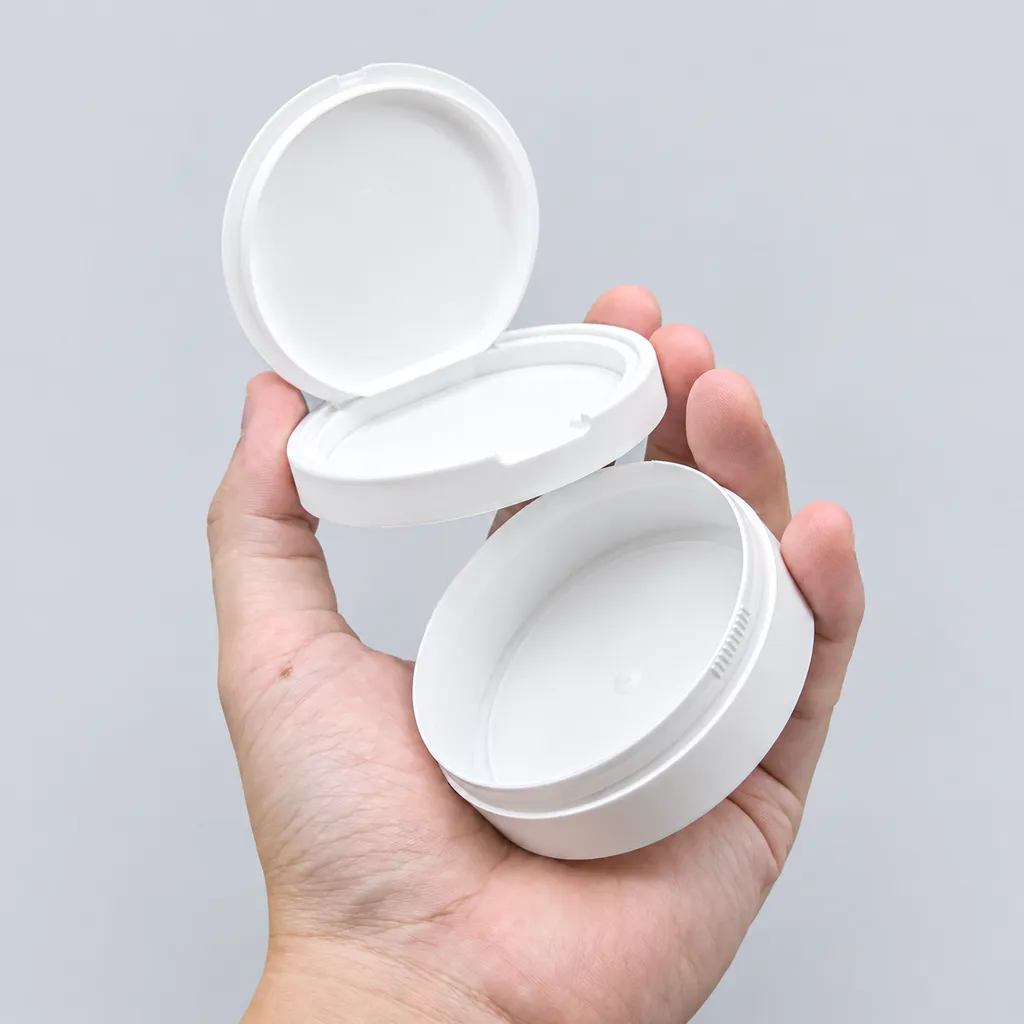
For MANKE’s standard Ø70 × 25 mm plastic snus can, the typical capacity is 15–24 regular pouches depending on pouch size and fill weight. If your co-packer uses a different line, confirm compatibility before approving the sample.
2. Closure Performance
Closure performance separates a functional can from a production liability. Test across the full sample batch, not just one or two units.
For snap-lid cans:
- Force required to open the lid the first time
- Lid engagement consistency after repeated open-close cycles
- Whether the lid seats evenly without binding
For snap-on lid cans:
- Press-fit force and audible feedback
- Lid retention after handling and transit simulation
- Consistency of the click feel across units
For flip-top cans:
- Hinge durability through repeated openings
- One-handed opening reliability
- Lid retention after cycle testing
For child-resistant (CR) cans:
- Senior-adult effectiveness test behavior
- Reclosing integrity after CR opening
- That CR function does not degrade after repeated use
A closure that feels acceptable by hand may behave differently at production speed. Run samples at the cadence your filling line will use, and define your own cycle-count target based on expected consumer usage.
3. Seal and Moisture Protection
Nicotine pouches are moisture-sensitive. A poor seal shortens shelf life, affects pouch feel, and in extreme cases causes leakage or odor migration.
Evaluate seal quality with these checks:
- Visual inspection: Lid and base mate evenly with no visible gaps
- Hand compression: Apply gentle pressure; the lid should not lift or vent easily
- Cycle testing: Open and close the can repeatedly, then recheck seal integrity
- Environmental exposure: If your validation plan includes accelerated aging or humidity exposure, expose samples to your defined conditions and inspect for deformation or seal loss
If your target market includes hot climates or long sea-freight routes, discuss gasket or seal upgrades with your supplier during sample scoping.
4. Decoration Quality
Custom printing turns an empty can into your brand asset. Sample evaluation should verify that decoration survives handling, not just that it looks good in a photo.
Check each printed sample for:
- Color accuracy against your Pantone reference
- Print registration — logos and text centered and aligned
- Label adhesion — no lifting at edges after flexing or temperature change
- Surface finish — consistent gloss or matte, no orange peel or streaks
- Durability — no scuffing after normal handling and transit simulation
Request a production sample with your actual artwork, not just a stock sample with a generic print. Stock samples show you the can; production samples show you your brand on the can.
5. Compliance Documentation
For regulated markets, the can is only as good as the paperwork that travels with it. Every sample shipment should include compliance documentation, and you should verify it before approving bulk production.
Documents to request and review:
| Market | Required documentation |
|---|---|
| United States | ISO 8317 CR test report, 16 CFR 1700.20 compliance, FDA food-contact declaration |
| European Union | EU 10/2011 food-contact statement, REACH SVHC declaration |
| United Kingdom | UKCA-aligned food-contact and CR documentation |
| Canada | ISO 8317 or equivalent CR verification, material safety documentation |
| UAE / GCC | GSO 8317:2015 or equivalent national CR certification |
If your target market requires CR certification, confirm the lab name, test scope, and report validity on the report. For details on child-resistant compliance requirements, see MANKE’s compliance overview.
Can-Style Specific Considerations
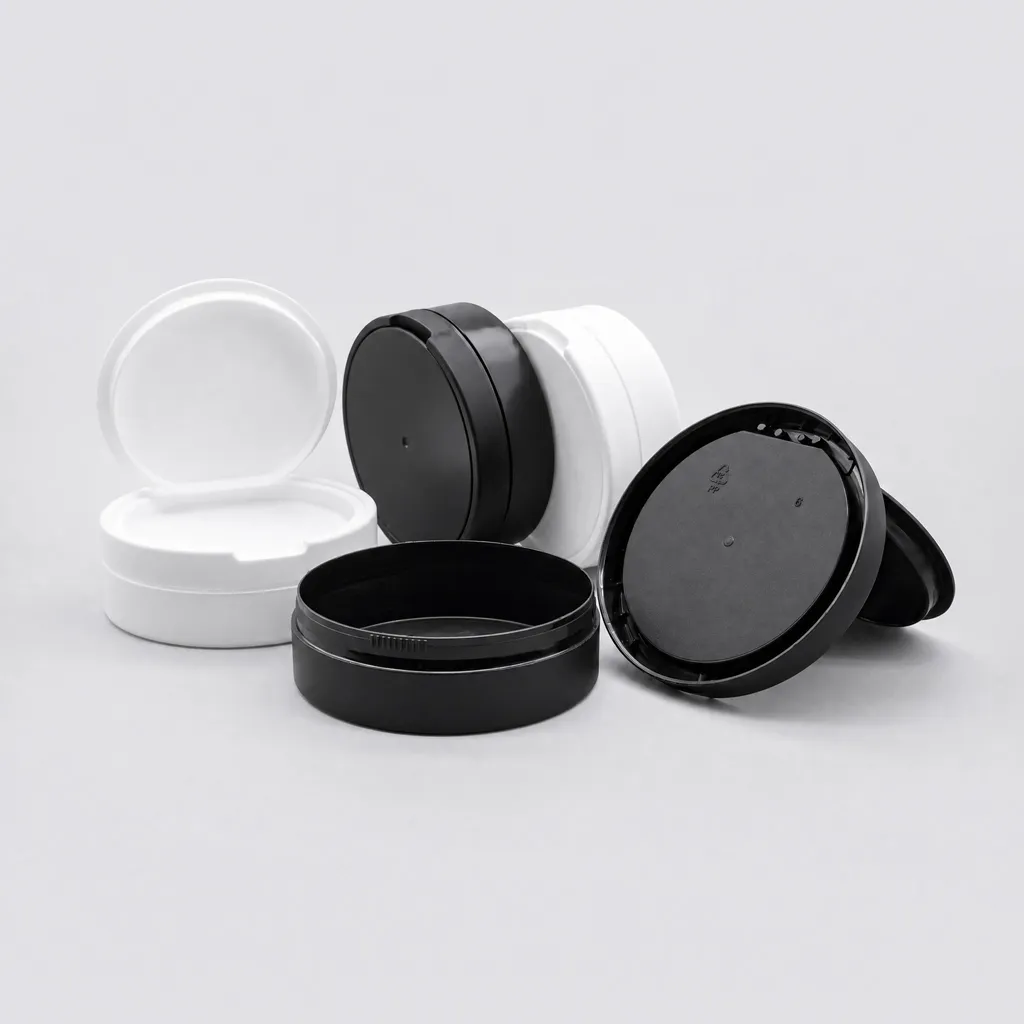
Not every can style serves every brand. Use this quick reference to align your sample evaluation with your use case:
| Can Style | Best For | Critical Sample Test |
|---|---|---|
| Snap-Lid | Cost-sensitive launches, volume SKUs | Lid engagement consistency and open-close durability |
| Snap-On Lid | Mid-tier positioning, premium tactile feel | Press-fit retention and click consistency |
| Flip-Top | Convenience stores, automotive, one-handed use | Hinge durability and repeated open-close reliability |
| Child-Resistant | US, EU, UK, Canada regulated retail | CR function integrity and compliance report validity |
For a full comparison of MANKE can styles, see all snus can styles.
Red Flags That Should Stop Approval
Some sample issues are fixable with tooling or artwork adjustments. Others are signals to pause or switch suppliers.
Stop and ask questions if you see:
- Wall thickness varies visibly between units from the same batch
- Closure torque drifts significantly across samples
- The seal fails after moderate handling or temperature exposure
- Print color shifts between sample units
- Compliance documentation is missing, unsigned, or from an unrecognized lab
- The supplier cannot explain how the sample relates to bulk production setup
A supplier that cannot show you the production tooling, QC checkpoints, and documentation path behind a sample is not ready to manufacture at scale.
The MANKE Approach to Sample Evaluation
At MANKE, sample evaluation is treated as a shared engineering step, not a handoff.
When you receive MANKE samples, you also receive:
- Dimensional report — measured values for the sample batch
- Closure torque data — opening and closing force ranges
- Material compliance statement — food-contact declarations where applicable
- CR test report — for ISO 8317 and 16 CFR 1700.20 certified cans, issued by a qualified third-party laboratory
- Projected production QC plan — the same checkpoints that will run at 30%, 60%, and 100% of your bulk order
This documentation lets your QA team compare the sample against the production standard, not just against your expectations.
MANKE’s sample program is structured in two phases:
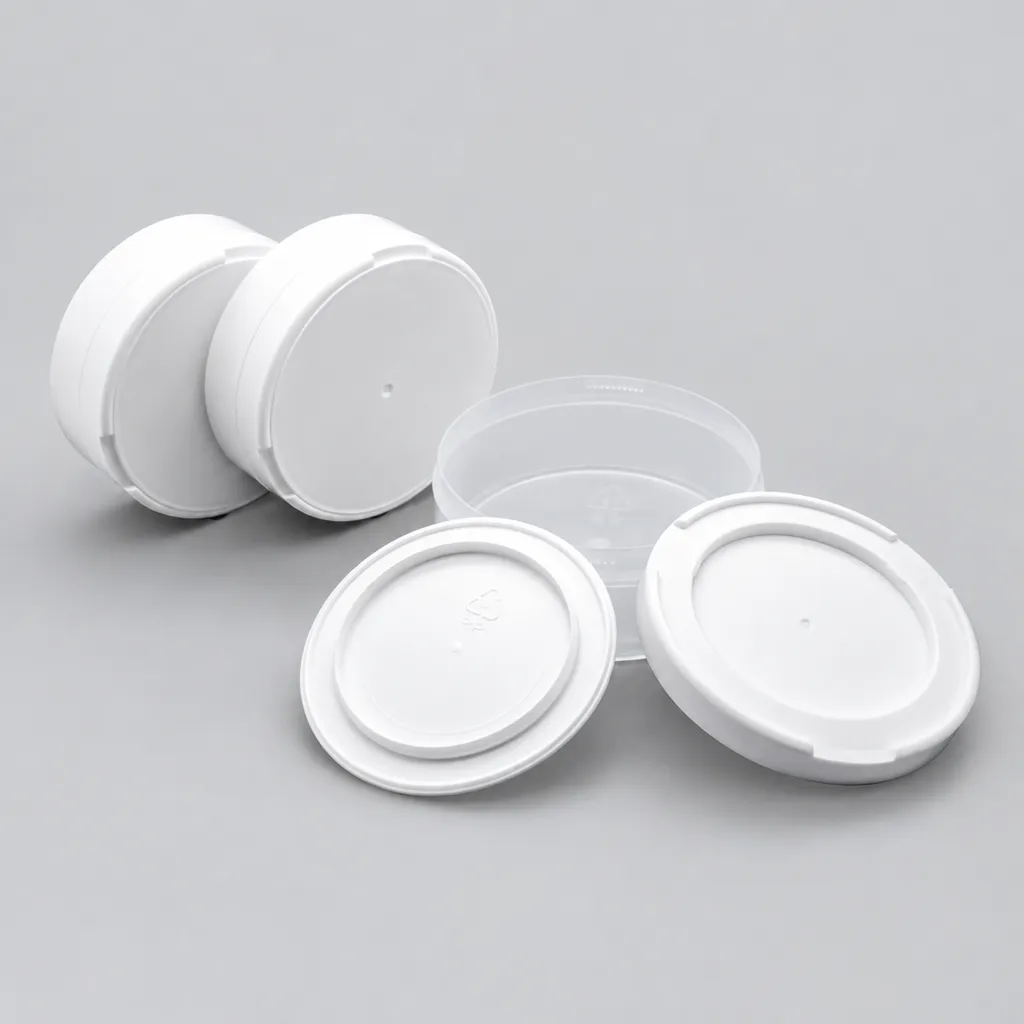
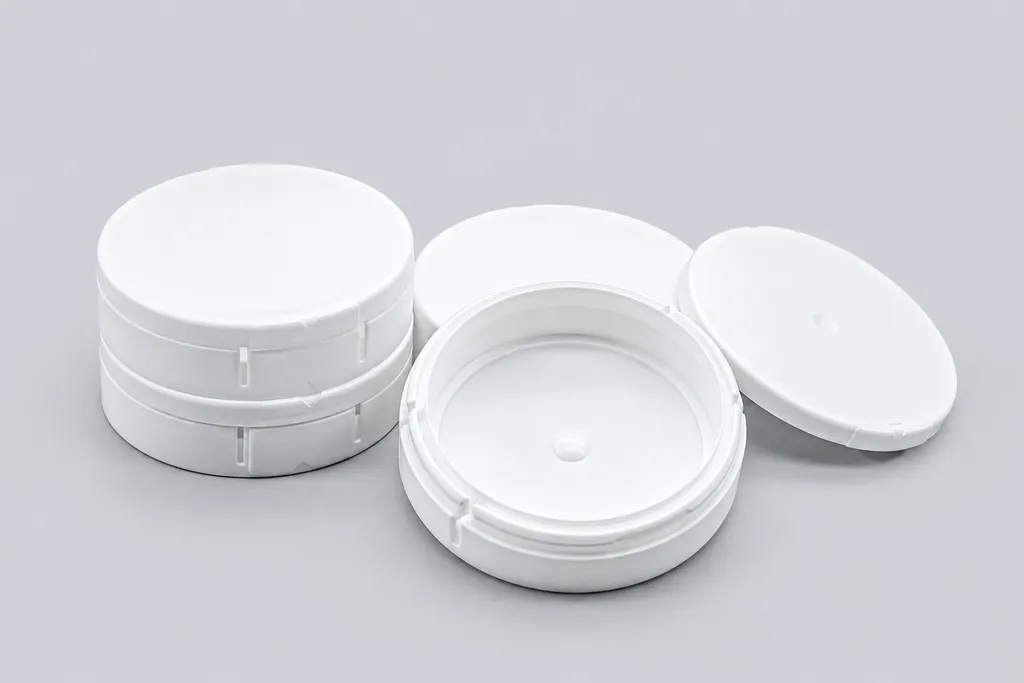
- Plain samples — stock cans with no branding, shipped in 7–10 working days for fit, torque, and line compatibility testing
- Production samples — custom-printed cans with your artwork, used to verify color, label placement, and final market readiness
Both phases are supported by a dedicated project engineer who reviews your line specs before samples ship. Sample cost handling can be discussed as part of your OEM project quotation.
If you are evaluating samples from another supplier and want a second opinion, MANKE can review your sample against our production standards and identify structural or compliance risks before you commit to tooling.
Frequently Asked Questions
How many snus can samples do I need to evaluate?
The right sample quantity depends on your filling process and validation objectives. A larger batch makes it easier to catch intermittent closure torque drift, label adhesion issues, or line-speed problems that do not appear in the first few units.
What is the most common reason samples fail line testing?
Diameter mismatch with the filling or capping line. A can that fits by eye may not run cleanly at production speed. Always confirm your line specs before ordering samples.
Should I test plain samples or custom-printed samples first?
Start with plain samples to validate fit, closure, and seal. Move to custom-printed production samples only after the structure is approved.
What compliance documents should come with samples?
For regulated markets, request ISO 8317 CR test reports, FDA food-contact declarations, EU 10/2011 statements, and REACH SVHC declarations. Verify the lab name, test scope, and report validity.
How do I know if a sample will match bulk production quality?
Ask your supplier for the production QC plan and confirm the same tooling will be used. At MANKE, samples come from the same molds and QC standards as bulk production.
Can MANKE help evaluate samples from another supplier?
Yes. MANKE’s engineering team can review external samples for dimensional, closure, seal, and compliance risks. This is often the fastest way to identify why a previous supplier’s bulk order failed.
Request Free Samples for Evaluation
MANKE supplies ISO 8317 child-resistant packaging solutions, food-contact compliant plastic can options, and OEM samples from a factory-controlled production environment. Standard plastic samples are typically available within 7–10 working days.
Request Free Samples for Evaluation →
Already have samples?
If you have already received samples — from MANKE or another supplier — discuss your results with our product engineering team.