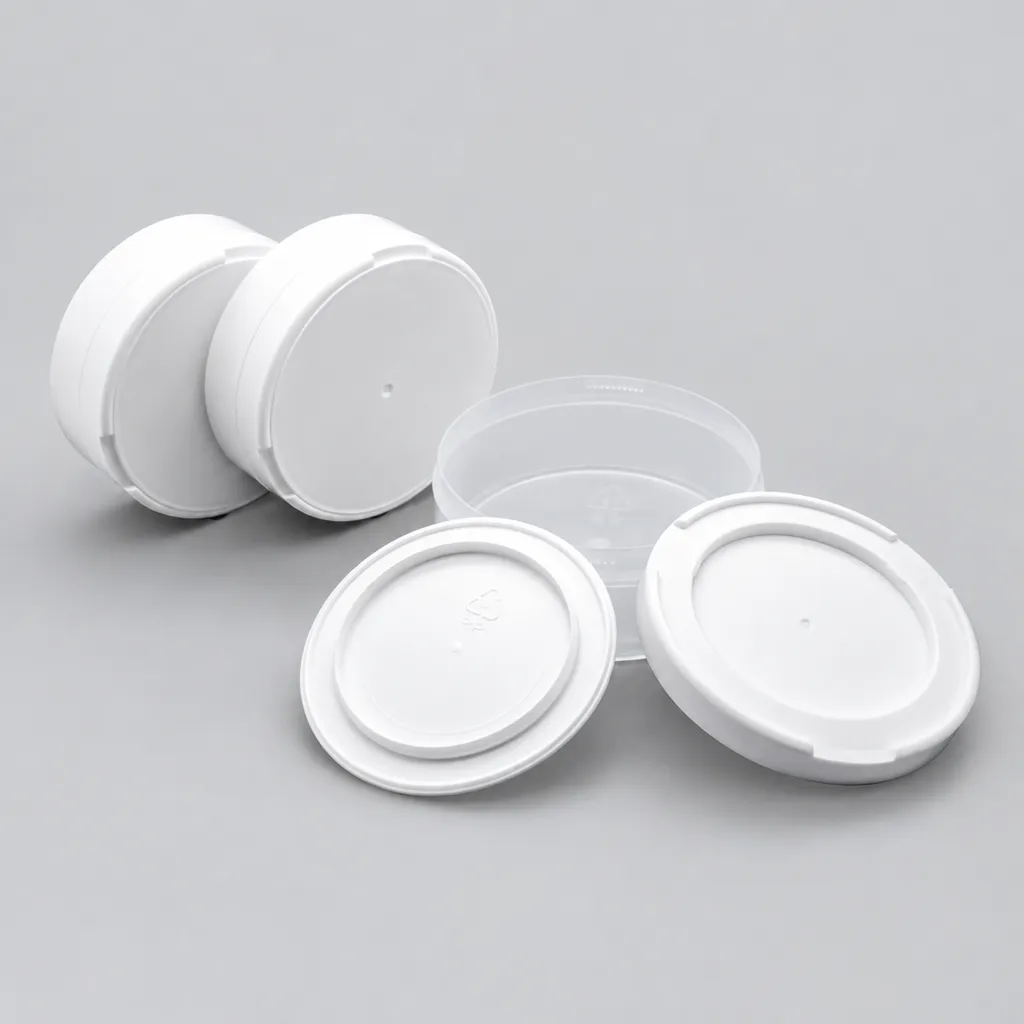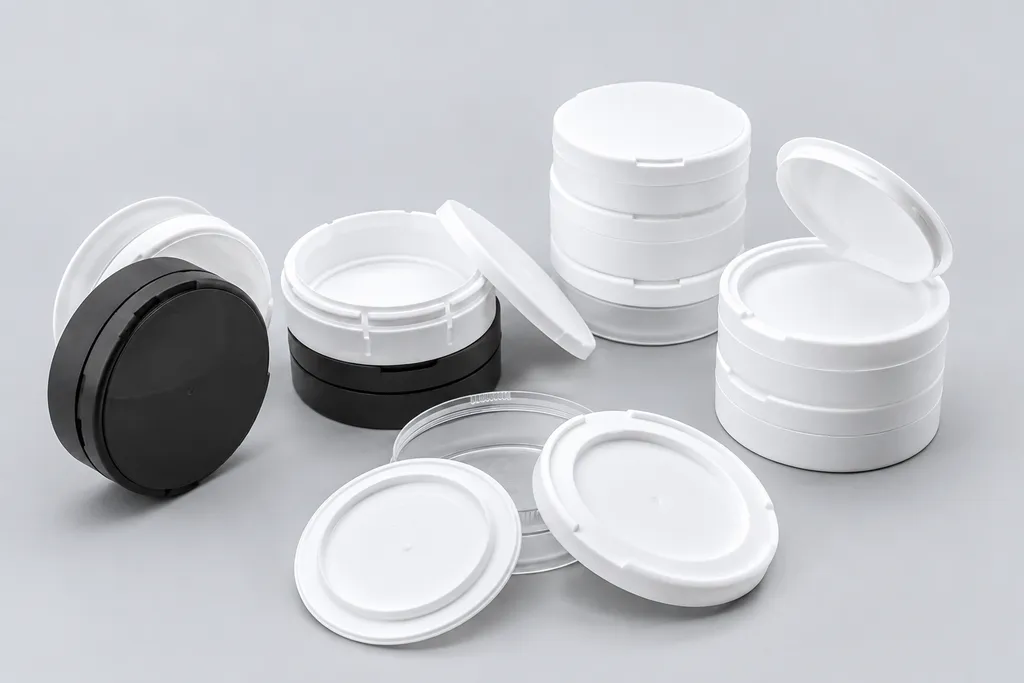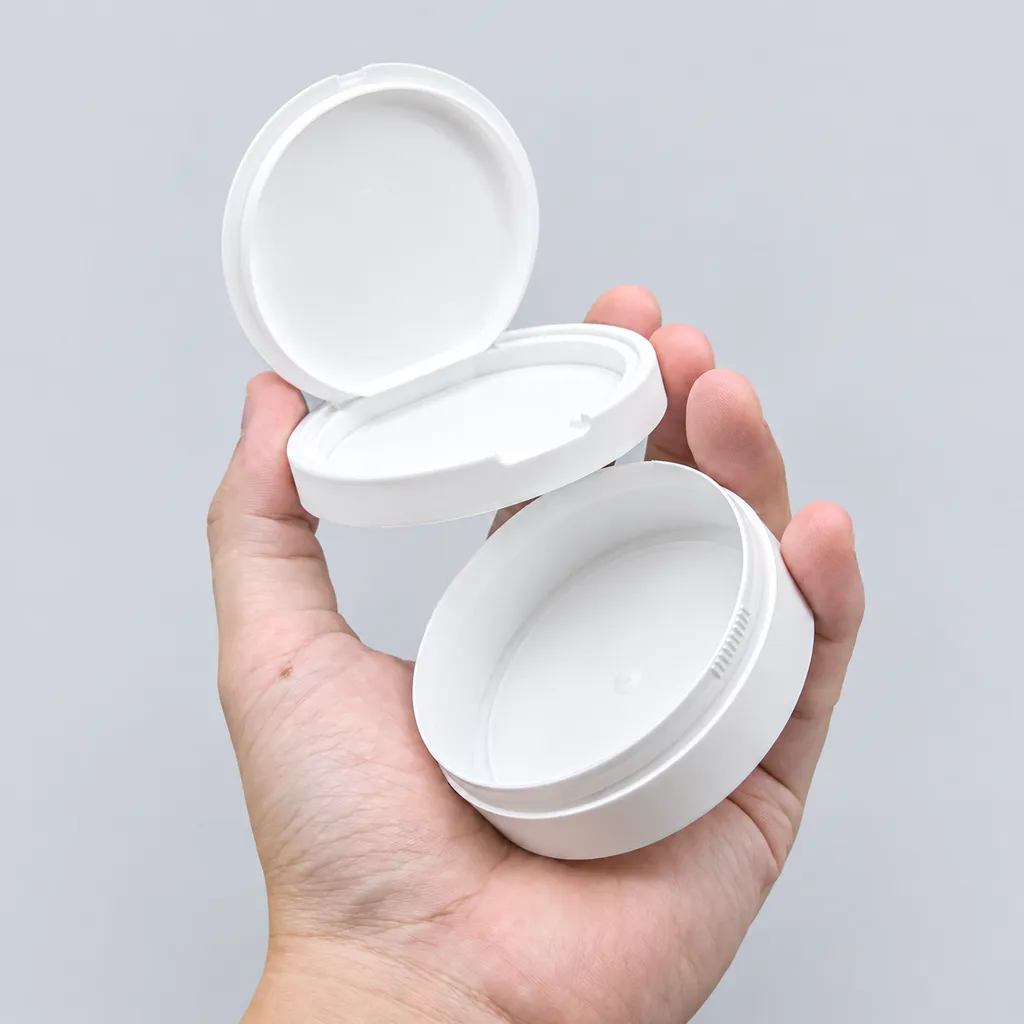
TL;DR: White label nicotine pouch packaging is the fastest, lowest-risk way to launch a nicotine pouch brand — use MANKE’s pre-certified can designs with your branding, starting at 5,000 units and shipping in 4–6 weeks. Private label adds territorial exclusivity and minor structural customization. ODM and OEM give you full design control. This guide compares all four models side by side, covers real MOQ and pricing, explains what compliance documentation your supplier must provide, and gives you a framework for choosing the right packaging partner — whether you are testing a market or scaling to multi-million-unit annual production.
What Is White Label Nicotine Pouch Packaging?
White label nicotine pouch packaging is a manufacturing model where brands use an existing, certified packaging design and apply their own branding — logo, colors, and labels — without the time or cost of custom mold development. It is the fastest path to market for new nicotine pouch brands: 4–6 weeks from artwork approval to shipment, with MOQ starting at 5,000 units for unprinted stock cans and 10,000 units for custom-printed private label. The manufacturer handles engineering, tooling, certification, and production; the brand focuses on market entry and customer acquisition.
In practice, white label nicotine pouch packaging means a brand uses an existing, manufacturer-certified can design and applies its own logo, colors, labels, and branding. The can body, closure mechanism, material composition, and certifications are already validated — the brand adds its identity on top.
This is fundamentally different from building a custom can from scratch. With white label:
- The mold already exists. No tooling fee. No 4–6 week mold fabrication wait.
- The certifications are already in place. ISO 8317 child-resistant test reports, FDA 21 CFR 177.1520 material compliance declarations, EU 10/2011 food-contact statements — these ship with your order because they were established before you placed it. [来源: CLAIM-010, CLAIM-011, CLAIM-012, CLAIM-013]
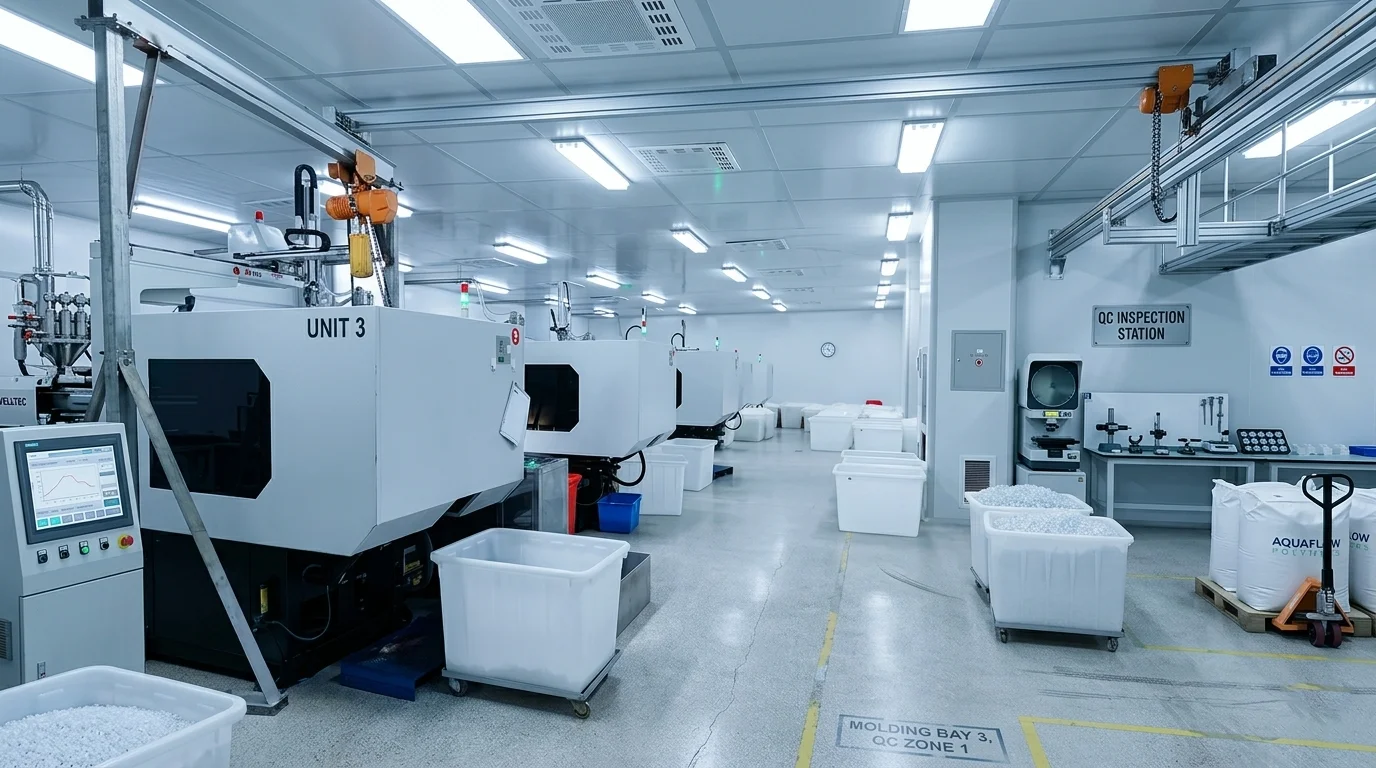
- The supply chain is proven. MANKE produces millions of units annually across 12 injection machines with 80–300 ton clamping force. Your white label order runs on the same production lines as established brands. [来源: CLAIM-FACTORY-001, CLAIM-CAPACITY-001]
For a new brand, white label removes the two largest sources of launch delay: mold development and certification testing. Instead of waiting 12–16 weeks for a custom OEM project, you hold a physical branded sample in 7–10 days and receive your production order in 4–6 weeks.
Think of it as choosing a proven chassis for your brand vehicle — the engineering, safety testing, and manufacturing validation are done. You focus on market entry.
White Label vs Private Label vs ODM vs OEM: Which Model Fits Your Brand?
The right model depends on where your brand is today and where you want it to be in 12 months. Here is exactly how each model works at MANKE — who owns what, how long it takes, and which stage it fits.
| White Label | Private Label | ODM | OEM | |
|---|---|---|---|---|
| Who owns the design? | MANKE (existing catalog) | MANKE (exclusive to you) | MANKE (developed for you) | You (your design & IP) |
| Who owns the mold? | MANKE | MANKE (or co-invested) | MANKE (or shared) | You (or licensed to you) |
| Customization level | Logo, color, label only | Label, color, minor structural tweaks | Full structural and aesthetic design | Complete control — every detail |
| MOQ | 5,000 (stock) / 10,000 (printed) | 10,000 units | 10,000 units | 10,000 units |
| Lead time | 4–6 weeks | 6–8 weeks | 8–12 weeks | 10–16 weeks |
| Best for | Fastest market entry, budget testing | Brand consistency across SKUs, territorial exclusivity | Unique concept, no in-house engineering team | Established brands with existing IP and patents |
| Sample timeline | 7–10 days | 10–14 days | 2–3 weeks after design freeze | 3–4 weeks after spec lock |
The Brand Journey: Which Stage Are You At?
Idea stage → White Label. You have a brand concept and a target market, but no physical product yet. White label gets you to market in 4–6 weeks with the lowest upfront commitment. [来源: CLAIM-022]
Launch stage → Private Label. You have validated demand and need brand consistency across SKUs. Private label reserves a specific can configuration for your brand within your territory. Same mold, same production team — just with exclusivity. [来源: CLAIM-023]
Scale stage → ODM or OEM. You have sales data, customer feedback, and a clear vision for a unique package. ODM lets MANKE’s engineering team design to your concept. OEM projects are structured around customer-owned designs and specifications — mold ownership, IP rights, and exclusivity terms are defined in the manufacturing agreement before tooling starts. [来源: CLAIM-024]
Brands evaluating both plastic and aluminum packaging paths often adopt a dual strategy: aluminum for premium lines and limited editions, PP plastic for volume products and cost-sensitive launches. A single manufacturing partner that supports both materials simplifies procurement — one NDA, one account manager, one QC standard across the entire product portfolio. [来源: CS-009]
What to Look for in a Nicotine Pouch Packaging Partner
Not all “packaging suppliers” are manufacturers. Many are traders who buy from factories and resell with a margin — and no quality control authority. When you are evaluating a white label or private label partner, here are the questions that separate manufacturers from middlemen.
1. Do they own the factory?
A factory-owned manufacturer controls production scheduling, material sourcing, and QC — a trader can only relay messages. MANKE owns and operates its Shenzhen manufacturing facility with 12 injection molding machines, in-house mold workshop, and dedicated QC laboratory. [来源: CLAIM-001, CLAIM-FACTORY-001]
2. Can they prove certification — not just claim it?
Ask for the actual ISO 8317 test report — not a certificate image, but the full test report with lab name, test date, batch number, and pass/fail data for both child and adult panels. MANKE’s CR testing is conducted by SGS and Intertek — CPSC-accepted, ISO 17025 accredited laboratories. Reports ship with every order. [来源: CLAIM-010, CLAIM-011]
3. What happens when you scale from 10K to 500K units?
Some suppliers deliver consistently at low volumes but drift at scale — different resin lots, worn molds, rushed QC. MANKE’s annual capacity of 5M+ units means your 500K order is a standard production run, not an exception. Batch-to-batch consistency is maintained through first-article inspections, in-process torque and dimensional checks, and quarterly CR spot-testing on certified designs. [来源: CLAIM-CAPACITY-001]
4. Can they show you who they have worked with?
150+ B2B brands across 30+ countries have sourced packaging from MANKE. While NDAs prevent naming most of them, the volume and geographic spread tell you something: brands in regulated markets — US, EU, UK, Canada, UAE, GCC, Australia — repeatedly pass customs and retailer audits with MANKE documentation. [来源: CLAIM-030, CLAIM-031]
Cost & MOQ: What to Expect at Each Volume Tier
Understanding real pricing before you request a quote helps you budget accurately and compare suppliers on total cost of ownership — not just unit price.
| Volume Tier | PP Plastic (plain) | PP Plastic (custom print) | CR Upgrade | Typical Brand Stage |
|---|---|---|---|---|
| 5,000 units | Negotiable (pilot) | — | — | Idea validation |
| 10,000 units | $0.084–$0.102/pc | $0.114–$0.154/pc | +$0.013/pc | First launch, market test |
| 200,000 units | Volume pricing | Volume pricing | Volume pricing | Established brand, recurring orders |
| 500,000+ units | Annual contract pricing | Annual contract pricing | Annual contract pricing | Scale stage, multi-SKU portfolio |
Pricing notes:
- All prices are EXW factory, undecorated unless specified. Final quote depends on artwork complexity, closure type, and Incoterms (FOB/CIF/DDP available).
- Sample costs (typically 5–10 units for evaluation, 200–300 pcs recommended for production line testing) are credited in full against your first bulk order of 10,000 units or more. [来源: CLAIM-020]
- A price-only comparison with lower-cost suppliers in other regions often misses hidden costs: dimensional variance that stops filling lines, inconsistent seal torque that increases rework, and CR reports from unrecognized labs that fail retailer audits. MANKE uses virgin food-grade PP resin — not recycled blends — and injection-molds with single-cavity pilot validation before scaling. [来源: CLAIM-012]
Compliance Documentation: What Your Supplier Must Provide
Documentation gaps are a common reason nicotine pouch packaging projects face delays during customs review or retailer compliance checks. Here is what should be in your order packet — by market.
| Market | Required Standard | Documentation MANKE Provides |
|---|---|---|
| United States | 16 CFR 1700.20 (CPSC) + FDA 21 CFR 177.1520 | CR test report (SGS/Intertek), FDA material statement, PMTA packaging support docs |
| European Union | ISO 8317 + EU 10/2011 + REACH | ISO 8317 CR report, EU 10/2011 declaration, REACH SVHC statement |
| United Kingdom | BS EN ISO 8317 + UK REACH | BS EN ISO 8317 report, UK REACH declaration, MHRA-aligned label guidance |
| Canada | CAN/CSA Z76.1 | CAN/CSA Z76.1 CR report, bilingual (EN/FR) label templates, Health Canada-aligned dossier |
| UAE / GCC | GSO ISO 8317:2015 / UAE.S 708 | GSO ISO 8317:2015 report, UAE.S 708 alignment, customs clearance support |
Every MANKE order includes complete compliance documentation as standard. You do not pay extra for the paperwork that gets your product through customs. Test reports, material declarations, and batch QC records are digitally archived for 7 years for audit traceability. [来源: CLAIM-010, CLAIM-011, CLAIM-012, CLAIM-013, CLAIM-031]
The Production Timeline: From Sample to Shipment
Here is the exact process a white label or private label project follows at MANKE — with real timelines and deliverables at each step.
| Step | Timeline | What Happens | Deliverable |
|---|---|---|---|
| Sample Request | Day 1–7 | You request samples. MANKE ships stock or custom-printed samples with full documentation. | Physical samples in your hand, 7–10 days after artwork approval. [来源: CLAIM-020] |
| Design & Artwork | Day 5–12 | Your logo and brand elements are applied to a 3D mockup. MANKE engineers check manufacturability before tooling starts. | 3D mockup in 48 hours. Pantone-matched to your brand guide. |
| Compliance Review | Day 8–12 | MANKE identifies which certifications your target market requires. Pre-existing CR test reports are matched to your order. | Compliance documentation checklist — no surprises at customs. |
| Tooling & First Article | Day 12–30 | For private label with minor structural changes: mold modification and first-article inspection. For white label: this step is skipped — the mold is production-ready. | First physical unit approved before full production starts. |
| Production & Shipment | Day 30–40 | Full production run with QC checkpoints at 30%, 60%, and 100% milestones. Complete documentation pack included. | Shipment with FOB/CIF/DDP terms. |
A single project engineer owns your timeline end-to-end — you are not emailing three different departments. MANKE responds to complete RFQs with a quote and sampling plan within 24 hours. [来源: CLAIM-021, CLAIM-023, CLAIM-024]
How to Start Your White Label or Private Label Project
You do not need a finalized design, a compliance dossier, or a purchase order ready to start. Here is the minimum you need:
-
Know your target market. US, EU, UK, Canada, UAE/GCC, or multiple — this determines your compliance documentation package. If you are unsure which standards apply, MANKE’s compliance team provides a free assessment within 24 hours.
-
Request samples. Start with 5–10 evaluation samples to check fit, finish, and closure feel. When you are ready for production line testing, order 200–300 pieces per can variant — fewer than 100 pieces often misses intermittent closure torque drift or label adhesion issues. Sample costs are credited in full against your first bulk order.
-
Review the quote and timeline. You will receive a detailed quote — unit price by volume tier, decoration cost, tooling fee (if any), shipping terms, and a production timeline with milestone deliverables.
-
Sign the NDA. Standard for all OEM and ODM projects. MANKE signs before receiving CAD files, design specifications, or proprietary product details.
Most brands move from first sample request to production order within 2–3 weeks. The bottleneck is rarely manufacturing — it is the internal approval process on the brand side. Plan your decision timeline accordingly.
Ready to start your white label or private label project? Request free samples → and receive a quote with sampling plan within 24 hours. Samples ship in 7–10 days with full compliance documentation.
Related guides:
- Empty Snus Cans: Manufacturer Guide — Full overview of MANKE’s manufacturing, specs, and ordering process
- How to Source Bulk Empty Snus Cans from China — MOQ, FOB/CIF/DDP shipping, supplier verification
- Child-Resistant Snus Cans: Procurement Guide — ISO 8317 certification and CR variants
- Custom Empty Snus Cans: OEM/ODM Guide — Custom mold development, NDA protection, design ownership
- Private Label Packaging Solutions — Commercial page: full private label program details