TL;DR: Caffeine pouches are an emerging adjacent category, and buyers are starting to ask whether they need specialized caffeine pouch packaging. The honest answer is: mostly no. A caffeine pouch is physically almost identical to a nicotine pouch — a small pouch held in a round can — so the packaging requirements are largely the same: food-contact material, a moisture barrier, the right capacity, and a suitable closure. The empty can is content-agnostic, which means the cans a manufacturer already makes for nicotine pouches also work for caffeine pouches. Where brands should focus is not on inventing new packaging, but on confirming the same fundamentals that any pouch product needs — food-contact compliance, moisture control, and a supplier who can document both. This guide covers what caffeine pouch packaging actually requires, what it shares with nicotine pouch packaging, and how to source it without over-engineering the decision.
MANKE manufactures empty cans and packaging, not the pouches or their contents. Whether the contents are nicotine, caffeine, or another functional pouch, the container requirements are what this guide addresses. A note on framing: caffeine pouches are an emerging category, and the buyer interest MANKE has seen is at the inquiry stage rather than a proven large-scale trend, so this guide stays in an educational register rather than claiming a market shift.
What Is a Caffeine Pouch, and How Is It Packaged?
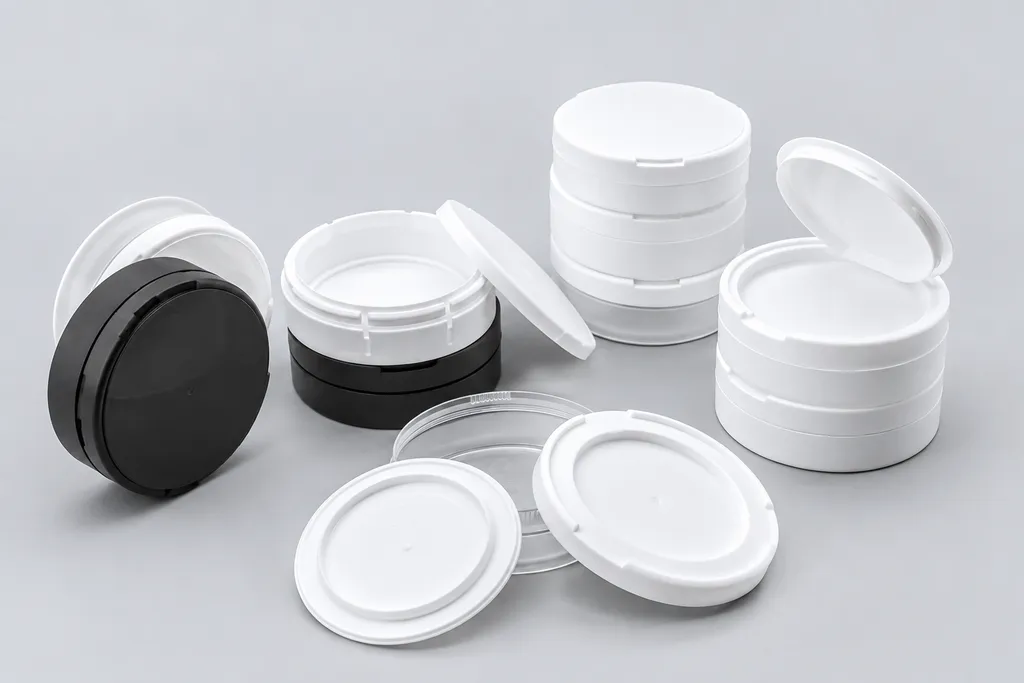
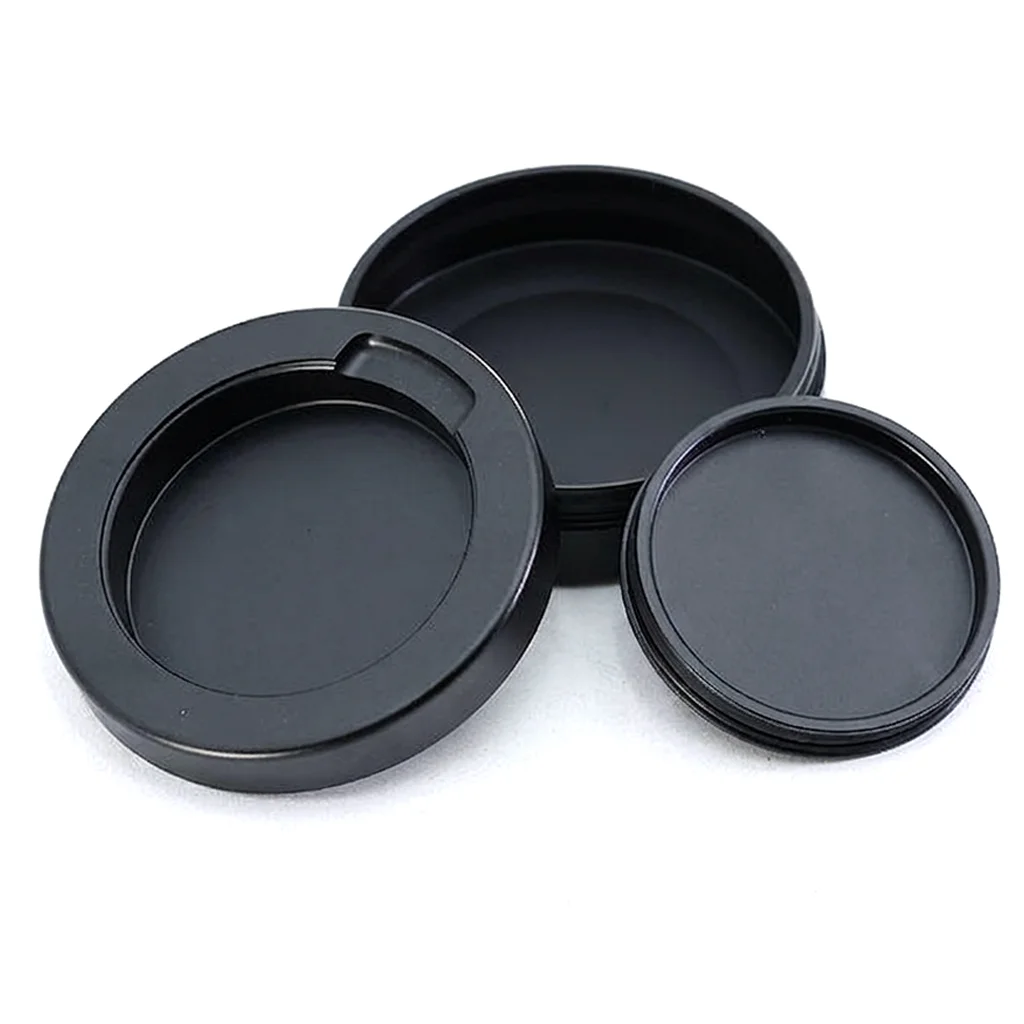
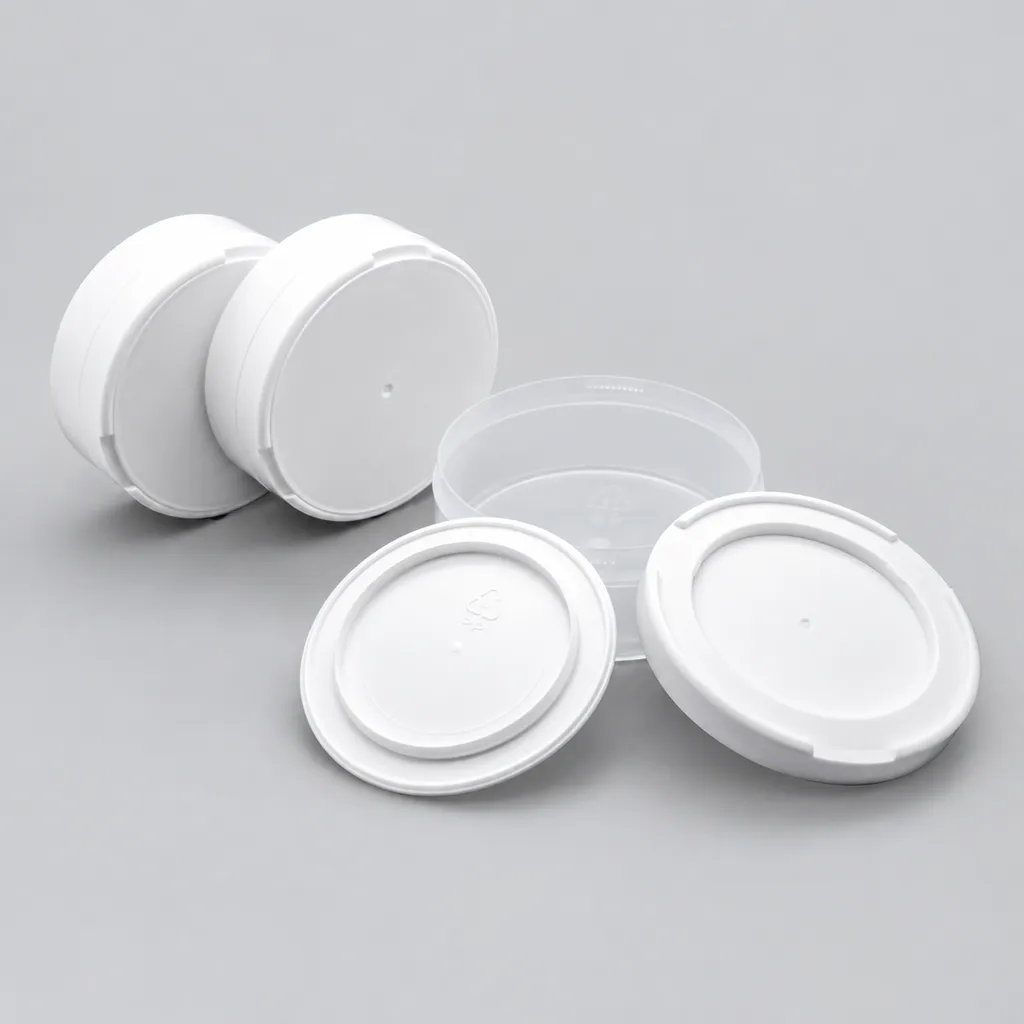
A caffeine pouch is a small, tobacco-free pouch placed in the mouth, delivering caffeine (and sometimes other functional ingredients) instead of nicotine. Like a nicotine pouch, a caffeine pouch is sold in a small round can — typically the same Ø70 mm format that dominates the nicotine pouch market. The packaging job is identical: hold a set number of pouches, protect them from moisture, and present the brand.
Because the product format mirrors nicotine pouches, the packaging is content-agnostic. The can does not care whether the pouch inside carries caffeine or nicotine — what matters is that the material is safe for a consumed product, the closure keeps moisture in or out as needed, and the capacity matches the pouch count on the label.
Do Caffeine Pouches Need Different Packaging Than Nicotine Pouches?
For the great majority of caffeine pouch projects, the answer is no — the same can that works for a nicotine pouch works for a caffeine pouch. The requirements that actually matter are shared, and they are the ones worth getting right:
- Food-contact material. A caffeine pouch is consumed, so the can material must be safe for contact with an ingested product. MANKE’s PP cans are made from food-grade polypropylene compliant with US FDA 21 CFR 177.1520, with material documentation available per order.
- Moisture barrier. Many pouch formats are moist, and moisture control affects shelf life and texture. A reliable seal and an appropriate material barrier are as important for caffeine pouches as for nicotine pouches — see our guide on how moisture protection affects pouch can performance.
- Capacity and format. The standard Ø70 mm can holds roughly 15–20 pouches depending on pouch format; capacity should always be confirmed with physical fill samples rather than assumed from dimensions alone.
- Closure type. Snap-lid, flip-top, and other closures all work; the choice is a brand and consumer-experience decision, not a content requirement.
- Optional child resistance. Caffeine is not regulated as a child-safety hazard the way nicotine is in many markets, so child-resistant (CR) packaging is usually optional for caffeine pouches — a brand or retail choice rather than a default rule. Where a market does call for it, ISO 8317-tested CR cans exist.
At a glance, the shared requirements:
| Requirement | Why it matters for caffeine pouches | How MANKE cans address it |
|---|---|---|
| Food-contact material | The pouch is consumed, so the can contacts an ingested product | Food-grade PP, compliant with US FDA 21 CFR 177.1520, with per-order material documentation |
| Moisture barrier | Moist pouch formats need shelf-life and texture protection | Sealed closures and an appropriate material barrier |
| Capacity | The label’s pouch count must match the fill | Ø70 mm standard holds roughly 15–20 pouches; confirm with physical samples |
| Closure | Consumer experience and seal integrity | Snap-lid, flip-top, and other closure options |
| Child resistance | Optional for caffeine, not a default regulatory rule | ISO 8317-tested CR cans where a market requires them |
The one thing caffeine pouches do not change is the underlying container. A brand does not need a new mold or a new structure to launch a caffeine pouch — it needs the same proven can, specified correctly.
Can You White Label or OEM Caffeine Pouch Packaging?
Yes, and the path is the same one nicotine pouch brands use. With OEM, you provide the design and the cans are manufactured to your specification, with the mold belonging to you. With ODM, you customize an existing can — label, colors, closure — without new tooling. White label puts your brand on a proven, off-the-shelf can format, which is the fastest way to test a caffeine pouch concept.
For a caffeine pouch startup, the sensible sequence mirrors what works in nicotine pouches: validate with samples and a low minimum order first, then scale once the product is proven. MANKE’s standard MOQ is 10,000 pieces with sampling ahead of production, which is built for exactly this validation-then-scale pattern. You can see the customization options on our OEM services page and the can range in our empty snus cans collection.
What Should You Check Before Sourcing Caffeine Pouch Cans?
Because caffeine pouch packaging is not a new technical problem, the sourcing checklist is the disciplined one any pouch brand should run. Confirm these before you commit:
- Food-contact documentation. Ask for the material-compliance report for the can material — for PP, a US FDA 21 CFR 177.1520 report — and confirm which markets that documentation covers.
- Moisture and seal performance. Validate the closure seal and material barrier with your actual pouches, especially if you are using a moist format.
- Real capacity. Fill the can with your pouches and count; do not rely on dimensions or volume as a proxy for pouch count.
- Closure and branding fit. Confirm the closure type and whether you need custom labels, colors, or a custom structure.
- Regulatory classification in your target market. Caffeine pouches sit in different regulatory categories depending on the market (supplement, food, or other), and that classification — not the can — drives most of your compliance work.
How to Move Forward
Caffeine pouch packaging is a sourcing decision, not an engineering one: the can you need already exists, because it is the same can used for nicotine pouches. The work is confirming food-contact compliance, moisture control, and capacity for your specific product. If you are scoping cans for a caffeine pouch launch, MANKE can provide food-grade PP cans with material documentation, sampling ahead of a 10,000-piece MOQ, and OEM/ODM customization — request free samples with your pouch format and target market, and we will respond within 24 hours.