TL;DR: Two PP snus cans built to identical drawings can perform very differently in mass production. The difference rarely sits in the drawing; the difference lives in five engineering links — material selection, mold structure, process control, tolerance management, and QC documentation. Injection molded snus cans look simple from the outside: a round body and a closure. Yet each link in the chain decides whether the ten-thousandth can matches the first sample. This guide maps what each link determines, what buyers should ask at each stage, and what evidence separates a consistent injection-molding supplier from a risky one. The scope is evaluation, not equipment — and the goal is a working framework a brand, distributor, or procurement team can apply before committing to production volume.
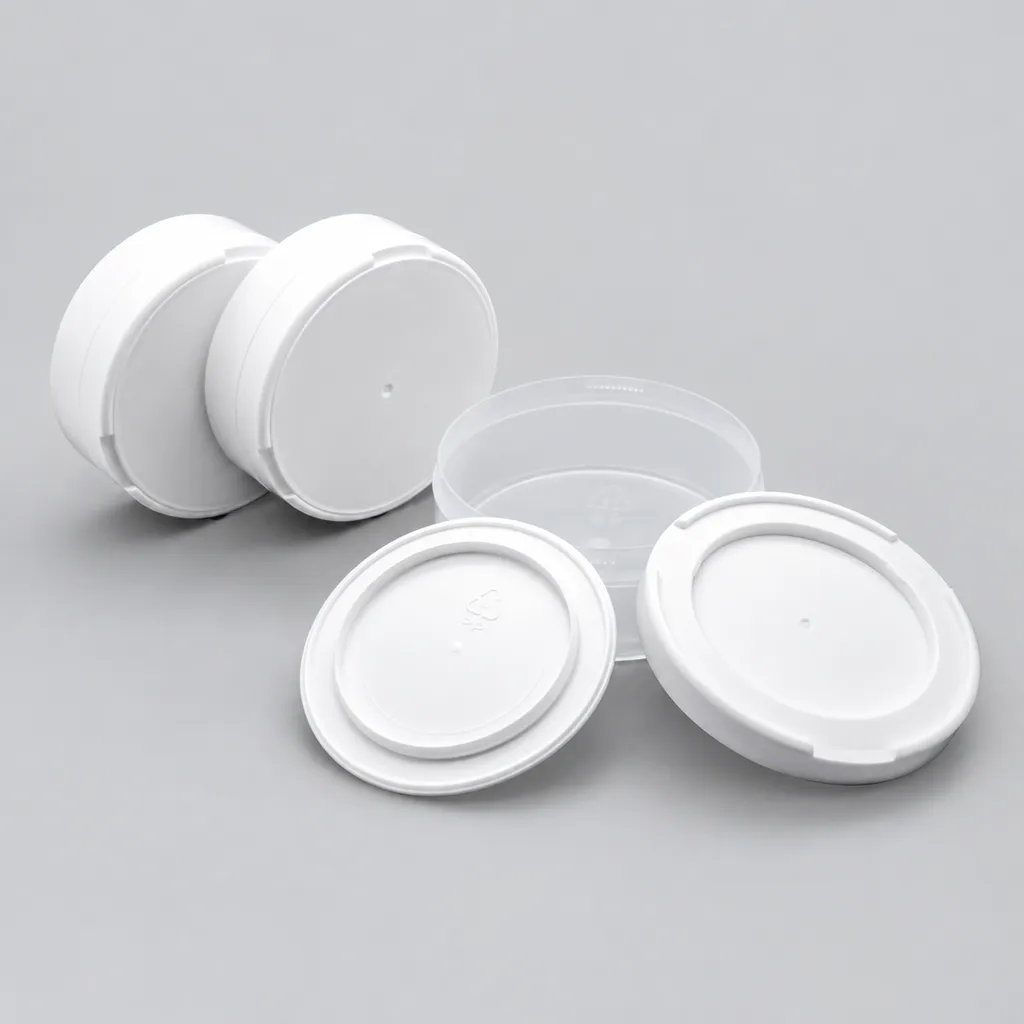
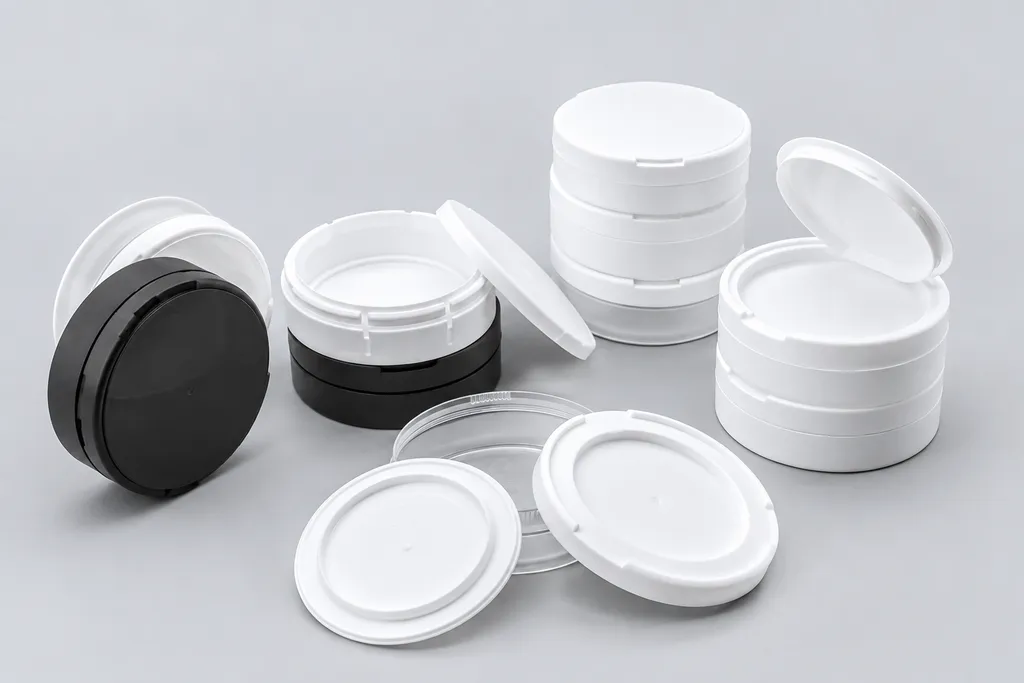
Injection molded snus cans are the default container format for nicotine pouch packaging: a food-grade PP body formed in a precision mold, paired with a closure matched to the product’s compliance and shelf requirements. The format looks standardized from the outside. Inside a purchase order, the format is anything but — two suppliers can deliver cans that match the same drawing and still behave differently on a filling line, on a shelf, and over a product’s shelf life.
This article explains how buyers can evaluate injection-molded packaging production capability. It does not cover purchasing molding equipment or operating injection machinery. MANKE manufactures empty cans and packaging, not filled nicotine products — the pouch format is the buyer’s input, and every section below starts from the pouch format.
What Does “Injection Molded” Actually Mean for a Snus Can?
Injection molding is a forming process: food-grade PP resin is melted, injected into a precision mold, and cooled into the can’s final shape. Every dimensional and tactile property of the finished can — wall thickness, closure fit, surface feel, the way one unit compares to the next — is set inside the molding cycle, not added afterward.
Two consequences follow for buyers. First, the drawing is only the starting point. A drawing specifies geometry; a drawing does not specify the mold forming the geometry, the resin batch filling the mold, the process discipline running the cycle, or the inspection routine verifying the output. Those four variables are where suppliers diverge, and none of the four appears on a quotation. Second, consistency is manufactured, not inspected in. Final inspection can reject bad cans, but final inspection cannot make a poorly controlled process produce uniform ones.
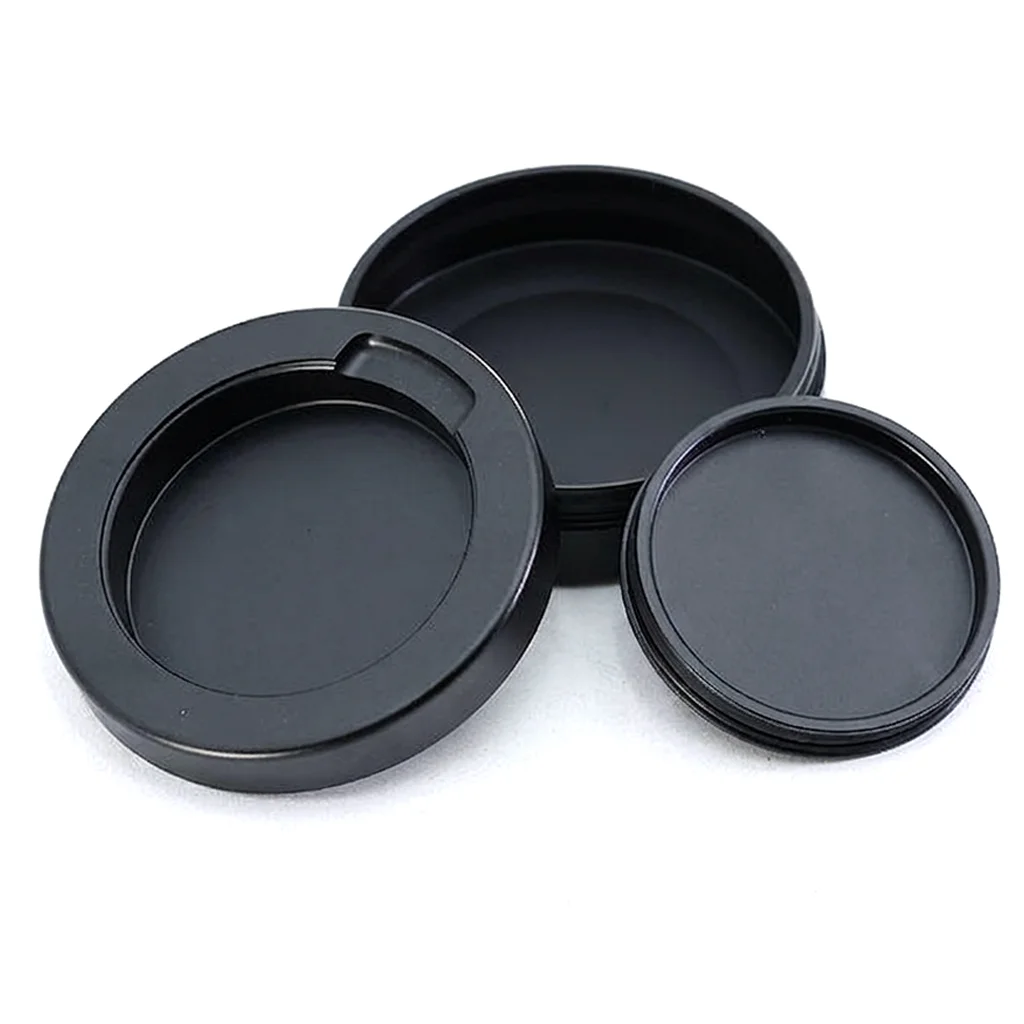
Plastic snus cans are produced by injection molding; aluminum cans follow a different route — CNC machining rather than molding — and belong to a separate engineering conversation. This article stays with PP injection molding, the process behind the standard Ø70 × 25 mm format used across most of the category. The rest of the guide walks the five links that decide whether the standard format arrives consistent: material selection, mold structure, process control, tolerance management, and QC documentation.
Why Do PP Cans from Different Suppliers Perform Differently?
Because a purchase order fixes a design, not a production system. Consistency problems rarely appear in samples; consistency problems surface after commitment, when a production run behaves differently from the approved sample — closure fit drifting across a batch, wall thickness varying enough to affect filling-line performance, or surface quality shifting between shipments. Each symptom traces back to one of five engineering links, and each link is auditable before a buyer commits.
| Engineering link | What the link decides | What the buyer should ask |
|---|---|---|
| Material selection | Compliance baseline and processing behavior | Which resin grade runs production, and what compliance documentation covers the resin? |
| Mold structure | The consistency ceiling of every unit produced | How are cavity layout, gating, and ejection decisions made and reviewed? |
| Process control | Unit-to-unit stability across a run | How are parameter settings controlled and recorded across production? |
| Tolerance management | Fit on closures and filling lines | Which dimensions are controlled, to what tolerance, verified by what method? |
| QC documentation | Evidence the first four links held | Which records ship with each batch? |
Read the table as a sequence, not a checklist. A weakness in an early link cannot be recovered downstream: no process discipline compensates for a poorly planned mold, and no inspection routine compensates for uncontrolled material. The following sections take each link in turn.
How Does Material Selection Affect Production Consistency?
Material selection is the one link buyers can verify with documents before any tooling discussion begins — which makes material selection the natural first checkpoint.
All MANKE plastic snus cans are injection-molded from food-grade polypropylene, the category-standard material for nicotine pouch cans: lightweight, compatible with every closure type, and covered by food-contact frameworks in the US and Europe. Within the PP category, the resin grade is a genuine engineering decision. The grade sets the compliance baseline — food-grade PP for regulated markets is expected to align with frameworks such as US FDA 21 CFR 177.1520 and EU 10/2011 — and the grade simultaneously sets process behavior, because flow and shrinkage characteristics shape how uniformly the material fills a mold.
Compliance verification for food-contact cans happens at the resin level, not the finished-can level. A PP resin can be tested against FDA 21 CFR 177.1520 for density, extractables, solubles, and melting point; the resin grade behind MANKE’s plastic cans holds an SGS test report against the same standard with all four items passing, and such material documentation should ship with every order. Material-level compliance supports confidence in material selection — material-level compliance does not, by itself, certify a finished can or a factory’s process capability. Buyers weighing supplier claims should keep the material-versus-product distinction explicit.
The final material question is batch consistency. A compliant resin selected once is not a compliant resin forever; material certificates and batch QC reports are how a supplier demonstrates the grade approved in sampling is the grade running in production. Ask for both.
What Mold and Tooling Decisions Shape the Final Can?
The mold is the consistency ceiling. A perfect drawing formed by a poorly planned mold produces a perfectly consistent error, repeated across every unit of every run. Tooling decisions are also the least visible part of a quotation — which is why tooling deserves its own evaluation before any commitment.
Three families of mold decisions shape the finished can. Cavity layout determines how many parts form per cycle and how uniformly each cavity fills; layouts with more cavities raise output, and they demand tighter control to keep every cavity identical. Gating — where molten material enters the part — influences fill balance and where surface marks appear. Ejection and draft determine how cleanly the part releases from the mold, which affects both surface quality and cycle efficiency. None of these decisions appears on a drawing, and all of them appear in the product.
A structured tooling evaluation follows a recognizable path. Buyers arrive through one of two routes: an original design, where the engineering review starts from CAD files, or a physical reference, where the review starts from sample analysis. Either route converges on a feasibility assessment — a documented answer to three questions: what existing tooling can already achieve, which features genuinely require new tooling, and which design adjustments would improve mold release and production efficiency. A supplier able to produce a feasibility assessment quickly is demonstrating process maturity; at MANKE, feasibility feedback is typically returned within 48 hours of receiving a reference or design file.
What buyers should take into the tooling conversation is a short question set: how are tooling decisions reviewed before steel is cut, what does the feasibility assessment cover, and how is a new design validated before mass production begins. Commercial arrangements around tooling — ownership structures, project models, decoration programs — are a separate conversation, covered under the broader customization options.
Which Process and Tolerance Controls Matter Before Mass Production?
Two suppliers can run identical molds and still ship different cans. The difference is process discipline: injection parameters influence shrinkage, warpage, wall thickness consistency, and surface quality, and those parameters either stay controlled across a run or drift with the run. Discipline is auditable. Buyers can ask how parameter settings are documented per production run, whether a first-article inspection gates the rest of the run, and how in-process dimensional checks are performed — the answers describe a control system, and a control system is what consistency actually is.
Tolerance management is where process control becomes measurable. Not every dimension matters equally; the functionally critical features are the closure interface, the body diameter, and the height, because dimensional drift on those features affects closure performance and filling-line compatibility. A capable supplier can state which dimensions are controlled, to what tolerance, and verified by which measurement method — and can produce the records. Which can dimensions a project should target in the first place is a buyer-side decision covered in the custom snus can dimensions guide; this article starts where the dimension decision ends — with dimensions as engineering inputs the tolerances must hold.
Time and volume also have engineering content, not just commercial content. Standard production lead time runs 3–4 weeks from artwork approval; a custom-dimension or custom-structure project adds engineering stages before the production clock starts — design confirmation, tooling fabrication, and sample validation — so launch planning should count backward from the launch date. Minimum order quantities, typically 5,000–10,000 pcs and varying by SKU, reflect production economics as much as commercial policy: setup and tooling costs amortize across a run, and run size is part of the unit-cost equation. In both cases, the numbers belong inside a feasibility discussion against real project inputs, not on a generic price list.
How Should Buyers Evaluate a Supplier’s Manufacturing Capability?
The five links above compress into five checkpoints a buyer can work through before committing to volume. The checkpoints are deliberately document-driven: each one asks for evidence a supplier either can or cannot produce.
| Checkpoint | Question to ask | What adequate evidence looks like |
|---|---|---|
| Material suitability | Which resin grade, tested to what standard? | Material compliance certificates at the resin level |
| Tooling feasibility | What can existing tooling achieve, and what needs new tooling? | A documented feasibility assessment against the actual design |
| Process consistency | How are parameters controlled across a run? | Documented settings, first-article checks, in-process verification |
| Dimensional control | Which dimensions are held to what tolerance? | Tolerance reports on functionally critical features |
| Inspection records | What ships with each batch? | Batch QC records accompanying every order |
In MANKE’s inquiry experience, large-volume programs typically start with a stock SKU and transition to custom tooling once volume is established — and evaluation at the supplier-decision stage tends to focus on capacity, compliance documentation, and audit readiness rather than unit price alone. This pattern is based on a limited sample of inbound inquiries and may not hold across all buyer segments.
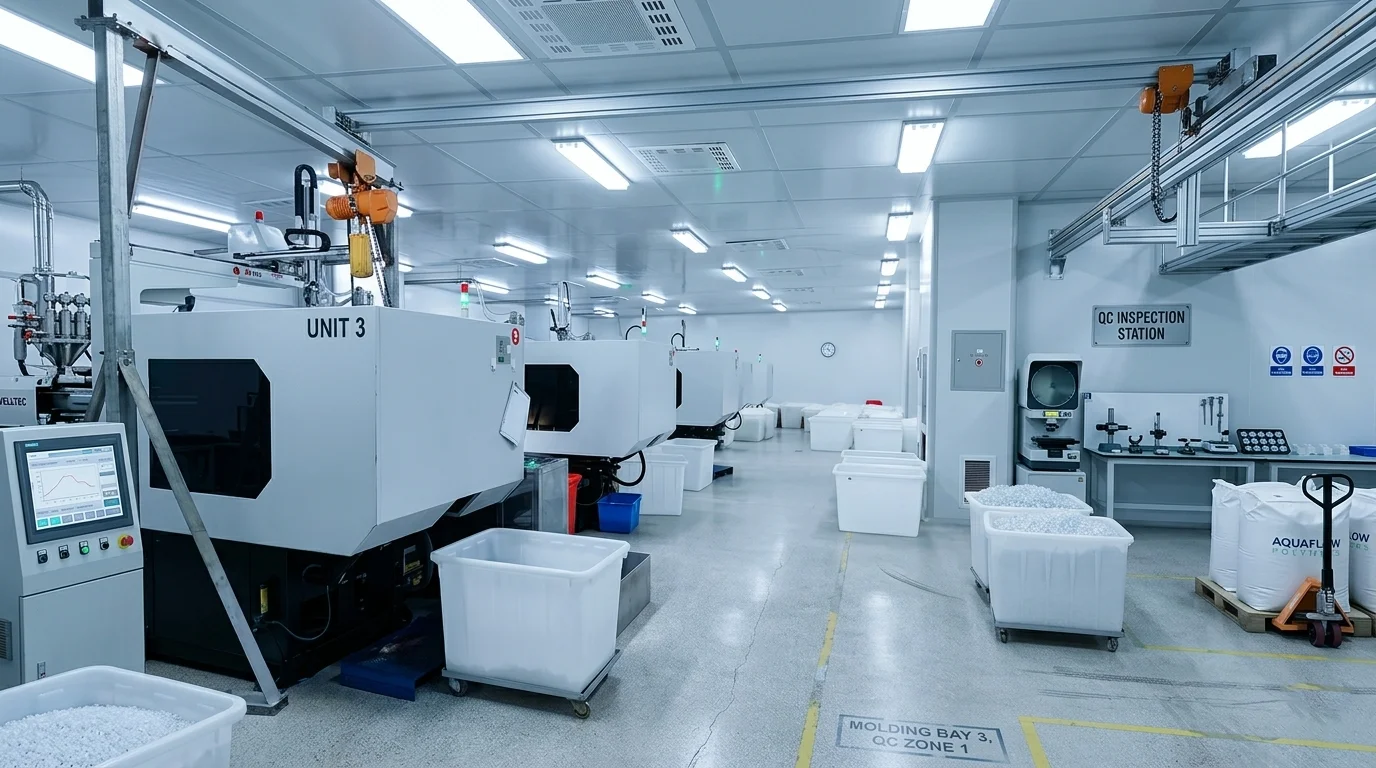
As one example of what documented capability can look like inside the five-checkpoint framework: MANKE’s production setup includes 12 injection machines spanning 80–300 tons of clamping force, with annual output above 5 million units. Such figures belong in an evaluation as evidence points under process consistency and capacity — examples of what to request from any supplier, not headlines to accept from any supplier.
Once the packaging requirements, pouch format, target capacity, and expected production volume are defined, an OEM packaging partner can map those inputs against existing tooling, identify which requirements current molds already cover, and flag where new tooling is genuinely the only path. MANKE works the supplier evaluation from the standard catalog first — which is why a feasibility discussion starts from project inputs rather than a quotation. If your program is approaching a supplier decision, request a feasibility review with your pouch format, target capacity, and volume estimate, or start by browsing the standard can catalog to establish a baseline before any tooling conversation.
Author
MANKE Product Engineering Team. This guide reflects MANKE’s work developing PP and aluminum nicotine pouch cans, mold and tooling evaluation, and production QC programs for regulated markets. MANKE manufactures empty cans and packaging only.
Sources & Claims
This article separates verified material information, general engineering practice, and claims that require buyer-side verification. It does not:
- Publish mold engineering parameters — cavity counts, steel grades, or tool-life figures — because those are project-specific engineering details. Tooling evaluation is provided through the feasibility review process against real project inputs.
- Publish injection process windows — temperatures, pressures, or cycle times — because valid settings depend on resin grade, mold design, and part geometry. This article explains what process control affects, not which settings to use.
- Present material compliance as finished-product or factory certification. The SGS report referenced covers PP resin tested to US FDA 21 CFR 177.1520 at the material level, supporting material-selection confidence.
MOQ and lead-time figures are typical ranges that vary by SKU and configuration; production lead time is counted from artwork approval. Capacity figures for any configuration are approximate and require validation with physical filled samples. Buyer inquiry patterns are anonymized and aggregated from a limited inbound sample; no customer names or identifiable project details appear.
Related Reading
- Custom Snus Can Dimensions: When Non-Standard Sizes Are Worth It — the buyer-side dimension decision this article treats as a design input
- Empty Snus Can Specifications: Sizes & Materials Guide — the standard catalog baseline for material and dimension references
- Custom Nicotine Pouch Packaging: Colors, Labels, Molds & OEM — commercial models and decoration programs, deliberately outside this article’s scope
- Standard can catalog · Custom OEM can program