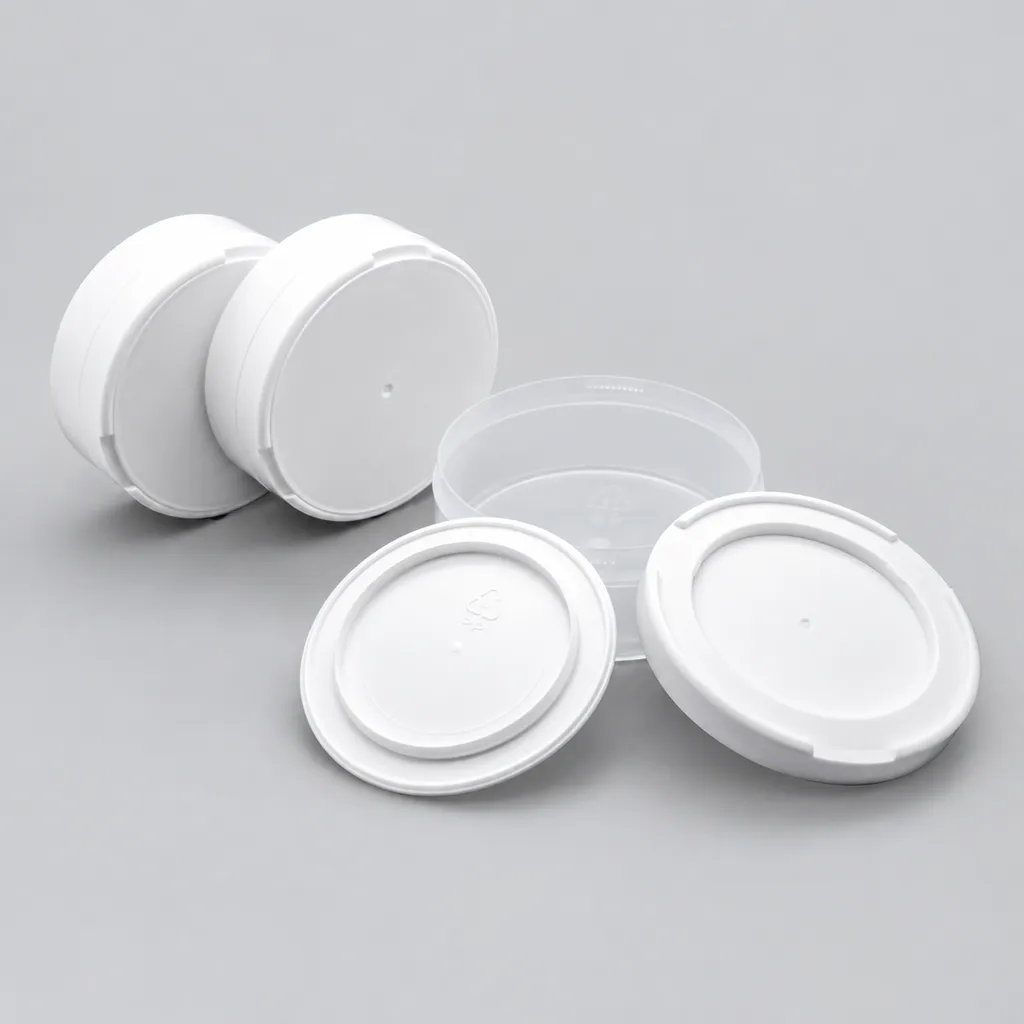
Child-resistant nicotine pouch packaging requirements are the design, documentation, and supplier capability criteria brands should define before selecting packaging for regulated nicotine pouch markets. These requirements typically include a child-resistant mechanism, packaging configuration, material and dimension specifications, documentation scope, and manufacturing capability. MANKE manufactures empty child-resistant packaging only — this guide covers what to define before sourcing, not what any single market’s regulations demand.
Why Requirements Vary by Market and Channel
There is no single universal checklist. Requirements depend on the target market, the retail channel, and whether the product is positioned as a regulated nicotine product from the start. In many regulated retail channels, buyers treat child-resistant documentation as a market-entry gate rather than an optional upgrade, and retail partners commonly request it during supplier onboarding. Defining the four areas below before contacting suppliers also changes the quality of what comes back: quotes arrive against a written specification instead of a general inquiry, and the differences between suppliers become comparable rather than anecdotal. The regulatory details behind those gates — which standard, which laboratory, which protocol — differ by market and are covered in our complete compliance guide. This guide addresses the earlier question: what a brand must define before requesting quotes. For readers who have not yet settled the definition itself, what a child-resistant nicotine pouch can is is the right starting point.
The Four Requirement Areas Brands Should Define Before Sourcing
1. Child-Resistant Mechanism Requirements
The mechanism is the most visible requirement and the easiest to under-specify. The common designs in this category are push-and-turn closures, where downward pressure engages the inner thread before rotation, and squeeze-and-turn geometries that require coordinated hand pressure. Both are engineered so that the single motions young children typically attempt will not open the package.
Two properties must be defined together, because the standards test them as a pair: resistance to child access, and accessibility for adults. A closure with a torque profile set too high can be genuinely child-resistant and still fail the adult portion of a panel test — including for senior users with reduced hand strength. Mechanism selection is therefore a balance decision, not a strength contest.
One design boundary belongs in every specification: on standard CR can platforms, the locking mechanism occupies the internal space where a used-pouch (catch-lid) compartment would sit, so a standard CR can does not include a catch-lid. Buyers who need both should state the combination during design review rather than discovering the constraint after tooling. Our comparison of child-resistant and standard packaging covers the trade-offs in detail.
2. Packaging Configuration Requirements
Configuration requirements translate the product into physical specifications: can diameter, height, lid structure, and compatibility with the brand’s filling equipment. The format most widely used across the industry is approximately 70mm in diameter — a size aligned with most automatic filling lines, which is why brands with existing production often state it explicitly in their specifications. It is a commonly used format rather than a regulatory mandate, but specifying it (and stating diameter and height as separate values) removes a common source of quotation confusion.
Configuration requirements should also record what the can must not have, not only what it must have: no catch-lid on a standard CR platform, as above, or a specific sealing approach if the filling line requires one. Changes to material, wall thickness, closure geometry, or torque profile after testing can affect whether the existing test report still applies to the production unit — so the configuration written into the purchase order should be the configuration that was tested.
3. Documentation Requirements
Documentation is where sourcing projects most often stall, and where the clearest thinking pays off. Brands should define two layers separately:
Packaging-level documentation — the records a packaging manufacturer can and should provide: the third-party test report for the exact can configuration, covering the testing standard, laboratory credentials, panel data, and final conclusion, plus material safety records for the container itself.
Finished-product documentation — the records that belong to the licensed manufacturer of the filled nicotine pouches: formulation, labeling, and market-level product certifications.
Importers frequently arrive with a combined checklist that spans both layers, so a capable packaging supplier states its scope early: what it provides, what it arranges through accredited laboratories, and what must come from the product manufacturer. This boundary conversation, held before tooling, prevents the most common customs and onboarding delays. Documentation expectations also scale with the channel — regulated retail programs typically expect CR documentation bundled with the order, not delivered on request.
4. Supplier Capability Requirements
Finally, the requirements that cannot be read off a datasheet. The supplier must be able to produce samples of the tested configuration for evaluation, control customization (branding on lid and body, color, platform) without drifting from the tested design, and maintain consistency across production runs. For multi-market programs, the supplier should be able to support more than one testing standard across its platforms, since configurations tested to one standard should not be assumed to satisfy another. The full test workflow a supplier should be able to walk you through is covered in our guide to the child-resistant packaging testing process.
CR Packaging Supplier Evaluation Checklist
The table below condenses the four areas into the questions a procurement team can put to any CR packaging supplier — including MANKE — before requesting a formal quote.
| Check | Question to ask |
|---|---|
| Mechanism | Does the closure design match the intended use — child-resistant performance balanced with adult accessibility? |
| Configuration | Does the can format fit the product and the filling line, with dimensions stated explicitly? |
| Documentation | Are packaging-level documents clearly separated from finished-product obligations — and does the test report match the exact configuration being ordered? |
| Boundaries | Have design constraints (such as no catch-lid on standard CR platforms) been raised before tooling? |
| Supplier | Can the manufacturer support customization, produce samples, and keep shipped units aligned with the tested design? |
MANKE’s Approach to CR Packaging Requirements
MANKE supports brands entering regulated nicotine pouch markets with pre-tested CR can platforms, bundled third-party documentation, and sampling aligned to the tested configuration.
MK-SNUS-PP-CR — a food-grade PP child-resistant snus can tested to ISO 8317.
The same platform also has documentation associated with 16 CFR 1700.20.
MK-SNUS-AL-CR — an aluminum CR can platform with corresponding ISO 8317 test documentation.
The aluminum CR platform also has documentation associated with 16 CFR 1700.20.
Because MANKE owns and operates its manufacturing facility, production samples can be aligned with the tested design, reducing the configuration drift that commonly triggers retesting. Buyers can review the platforms in the child-resistant snus can collection or start a CR compliance review to map requirements to a specific program.
Final Takeaway
Child-resistant nicotine pouch packaging requirements are not a certificate — they are four definitions a brand writes before sourcing: the mechanism, the configuration, the documentation scope, and the supplier capability. Brands that define all four receive comparable quotes, avoid specification mismatches, and enter regulated channels with documentation ready. Brands that define only one tend to discover the other three during production.