Buyers new to regulated nicotine markets often encounter the term child-resistant nicotine pouch can before they encounter the standards behind it. This guide explains what the term means, how the closure mechanisms work, and how to verify that a supplier’s packaging genuinely meets the requirement. It is the starting point for MANKE’s child-resistant packaging cluster; each section links to a deeper guide for buyers ready to go further.
What Is a Child-Resistant Nicotine Pouch Can?
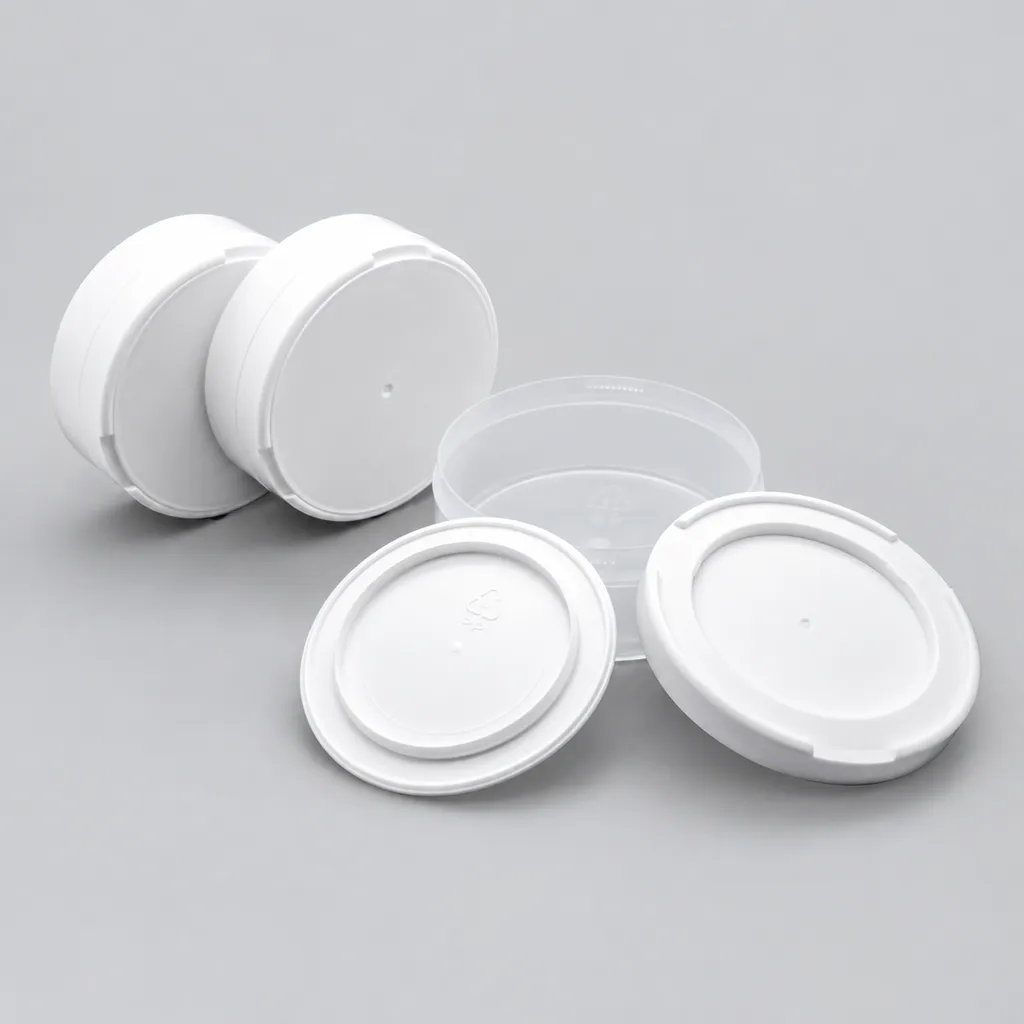
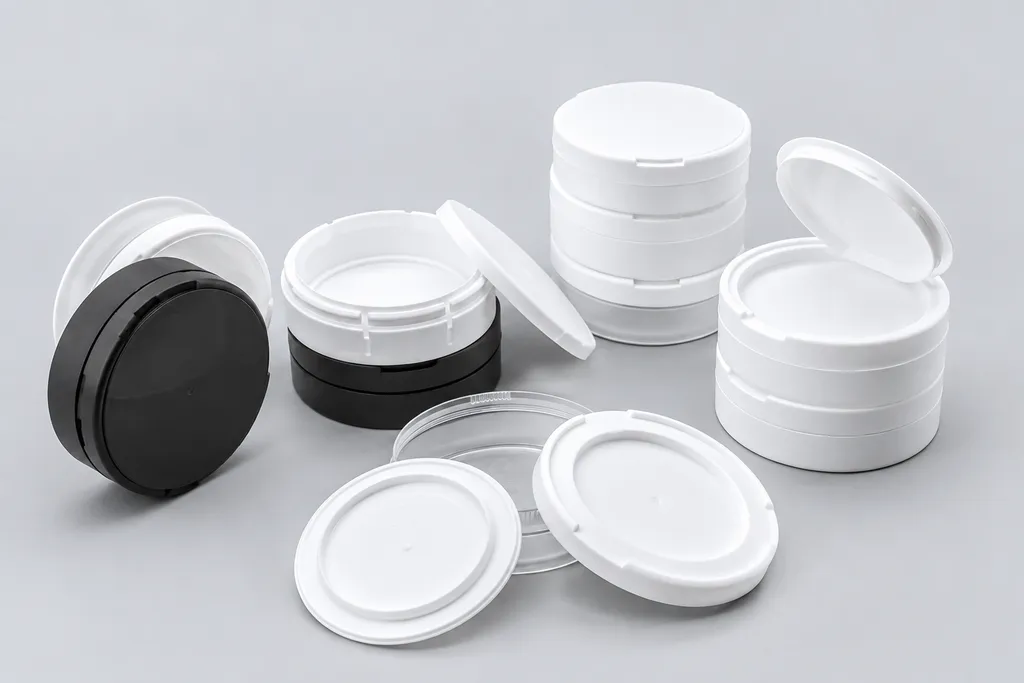
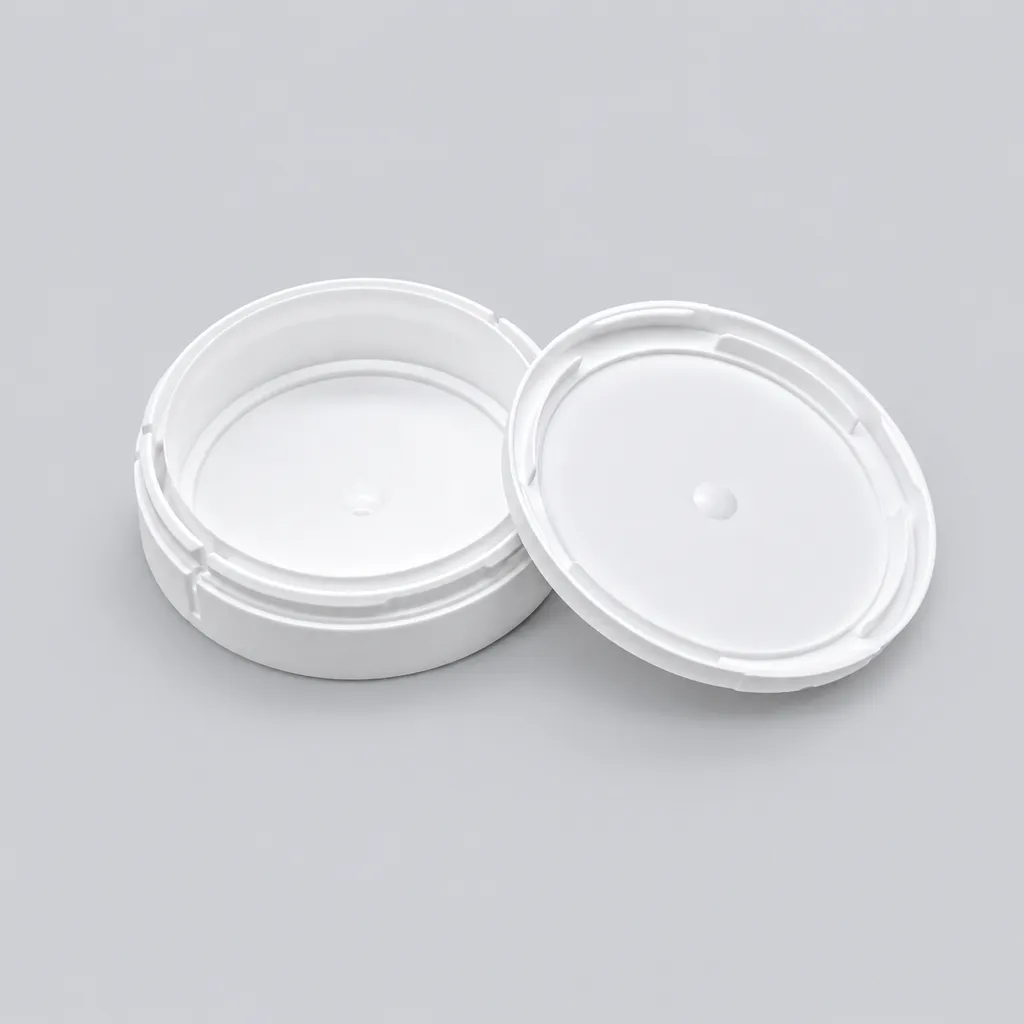
A child-resistant nicotine pouch can is a packaging container designed with a child-resistant closure mechanism to reduce the risk of accidental opening by children while allowing intended adult access.
Several parts of this definition matter in practice:
- Packaging container — the term refers to the empty can and its closure, not to the nicotine product itself. MANKE manufactures packaging only.
- Closure mechanism — the child-resistant property comes from how the lid opens, not from the material of the can body.
- Tested — a can is only child-resistant within the meaning of the regulations when its exact configuration has passed panel testing under a recognized standard.
The requirement exists because nicotine pouches are regulated as nicotine products in major markets, and regulators treat the container as part of the product’s safety system. In the US, child-resistant packaging obligations for nicotine products stem from the Poison Prevention Packaging Act; in the EU, UK, and GCC, national frameworks reference the ISO 8317 family of standards. Once the definition is clear, the next step is defining your requirements — our practical guide to CR nicotine pouch packaging requirements covers the four areas brands should specify before sourcing.
How Does a Child-Resistant Nicotine Pouch Can Work?
Standard cans open with a single motion: a quarter-turn, a snap, or a flip. Child-resistant closures add a second, coordinated action so that the movements a young child typically attempts will not open the package.
Push-and-Turn
The most common mechanism in CR nicotine pouch cans is push-and-turn: the user presses down on the lid while rotating it. The downward pressure engages the inner thread of the closure; without it, the lid rotates freely. This is the mechanism used in most pharmaceutical-style CR packaging and in many CR snus can designs.
Other Closure Designs
Depending on the can platform, child-resistant performance can also come from squeeze-and-turn geometries, double-layer lid structures, or internal catch designs that require a specific sequence of movements. In every case, the closure geometry, wall thickness, and torque profile must work together — and must match the configuration that was tested.
One boundary worth knowing: on standard CR can platforms, the locking mechanism typically occupies the internal space where a used-pouch (catch-lid) compartment would sit, so a standard CR can does not include a catch-lid. Buyers who want both child-resistance and a catch-lid compartment should raise the combination early in design review, because it generally requires evaluating a custom platform rather than a catalog CR SKU.
Because the closure is the decisive component, child-resistant closure testing evaluates the complete package system rather than the lid alone.
Adult Accessibility Matters
Child-resistant design is a balance, not a barrier. The same standards that require children to fail at opening the package also require adults — including seniors with reduced hand strength — to open it within a reasonable time. A closure that is too tight, a torque profile set too high, or a mechanism with too many steps can fail the adult portion of the panel even when children cannot open it. Good CR design therefore targets a specific window: resistant to typical child interactions, accessible to typical adult users.
Child-Resistant vs. Standard Nicotine Pouch Cans
The practical difference comes down to the opening action and the documentation:
| Dimension | Standard can | Child-resistant can |
|---|---|---|
| Opening action | Single motion (turn, snap, flip) | Coordinated dual action (push-and-turn, etc.) |
| Test requirement | None | Panel testing under ISO 8317 / 16 CFR 1700.20 or market equivalent |
| Documentation | None required | Third-party test report for the tested configuration |
| Typical markets | Non-regulated or optional-CR channels | US retail, EU/UK regulated channels, GCC (GSO) |
Which option a brand needs depends on the target market and the retail channel, not on the product formulation alone. Our comparison of child-resistant vs. standard packaging covers the decision criteria in detail.
Which Standards Apply?
Three standards cover most regulated nicotine pouch markets:
- ISO 8317 — the international standard for reclosable child-resistant packaging, referenced in the EU, UK, and Australia, and recognized in GCC markets.
- 16 CFR 1700.20 — the US protocol under the Poison Prevention Packaging Act, requiring testing at a CPSC-accepted laboratory.
- GSO ISO 8317:2015 — the Gulf standard applied in UAE and GCC markets, where missing CR documentation is a common cause of customs delays.
In regulated retail channels — particularly the US — buyers typically treat CR documentation as a market-entry gate rather than an optional upgrade, and retailers commonly request it during supplier onboarding.
The standards use similar panel-testing methodologies but are not interchangeable. A configuration tested to one standard should not automatically be assumed to satisfy another.
It is also important to understand that a CR test report is valid for the exact configuration that was tested. Changes to material, wall thickness, closure geometry, torque profile, or even surface treatments that affect grip can affect child-resistant performance, and may require the applicability of the report to be reassessed. For a market-by-market overview, see our ISO 8317 compliance guide; for the full testing workflow, see our guide to the child-resistant packaging testing process.
How Buyers Verify a CR Packaging Supplier
Because “child-resistant” is a tested property rather than a design style, verification focuses on documentation:
- Request the full test report for the exact SKU and configuration being ordered — not a one-page certificate.
- Check laboratory credentials — ISO 17025 accreditation, or CPSC-accepted status for US testing.
- Confirm configuration match — the tested can must match the production unit in material, wall thickness, closure geometry, and torque.
- Review the statistical section — panel data and statistical outputs such as F-values show how the package performed, not just whether it passed. Our guide to F-value reports explains how to read this section.
- Plan sampling before production — production-aligned samples reduce the risk that the shipped unit drifts from the tested design.
A useful rule of thumb: if a supplier cannot produce the full test report for the exact configuration being quoted, the package should not yet be treated as child-resistant for procurement purposes, regardless of what the product page claims.
MANKE’s Approach to Child-Resistant Nicotine Packaging
MANKE supports regulated-market buyers with CR packaging development, documentation preparation, and supplier-side compliance coordination.
MK-SNUS-PP-CR — a food-grade PP child-resistant snus can tested to ISO 8317.
The same platform also has documentation associated with 16 CFR 1700.20.
MK-SNUS-AL-CR — an aluminum CR can platform with corresponding ISO 8317 test documentation.
The aluminum CR platform also has documentation associated with 16 CFR 1700.20.
Because MANKE owns and operates its manufacturing facility, production samples can be aligned with the tested design, which reduces the configuration drift that commonly triggers retesting. Buyers preparing a sourcing decision can also review our procurement guide to child-resistant snus cans.
Final Takeaway
A child-resistant nicotine pouch can is defined by two things: a closure mechanism that resists opening by children while remaining accessible to adults, and third-party test evidence for the exact configuration being sold. The mechanism determines whether testing can be passed; the documentation determines whether regulators, retailers, and customs officials will accept the package.
MANKE provides pre-certified CR can platforms with third-party test documentation for brands entering US, EU, UK, and GCC markets.
Request a CR Compliance Review →
Browse Pre-Certified CR Snus Cans →
Author
MANKE Product Engineering Team
MANKE specializes in compliance-focused packaging manufacturing for nicotine pouch and related regulated-market applications.
Sources & Claims
This article separates verified product information, industry context, and claims that require buyer-side verification. It describes standards, mechanisms, and verification practices at a definitional level. It does not:
- Publish CR testing prices or cost ranges
- Describe MANKE packaging as FDA certified or FDA approved
- Claim that one test report automatically covers multiple SKUs
- Guarantee that any configuration will pass panel testing
- Claim equivalence between ISO 8317 and GCC/UAE requirements