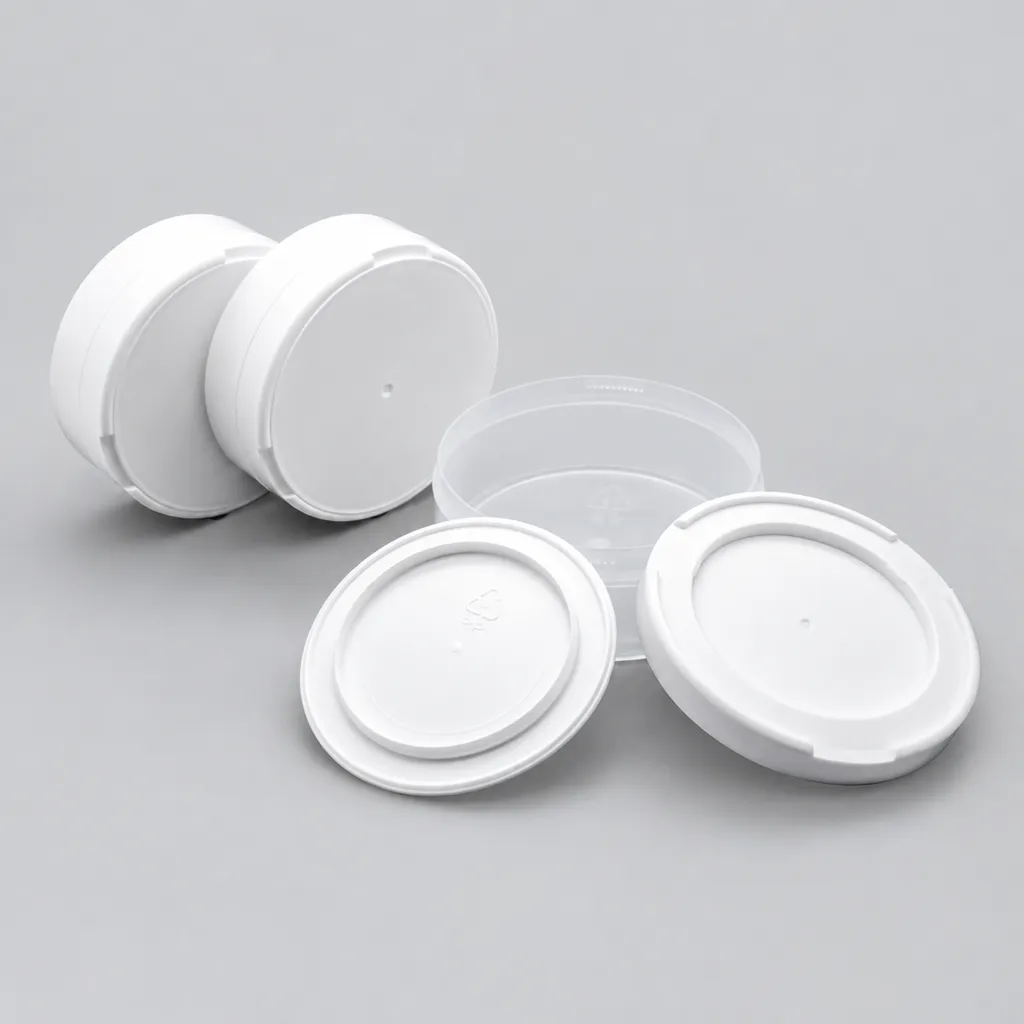
Packaging is the first thing a buyer feels before they ever taste your product. The wrong empty plastic snus can leaks moisture, fails shelf appeal, or gets rejected by regulators. The right one becomes a silent salesperson on every retail counter. MANKE manufactures empty packaging only. We do not produce, fill, or sell nicotine pouches.
The guide walks you through the decisions MANKE buyers make when sourcing empty plastic snus cans for new nicotine pouch and snus brands. At MANKE, our engineering team evaluates closure torque, sealing performance, and pouch compatibility during sample approval before mass production.
Why Most New Brands Start with Plastic Snus Cans
Plastic snus cans are one of the most common launch packaging options for new nicotine pouch and snus brands:
- Lightweight → lower shipping and landed cost
- Cost-effective → viable even at 10K-piece pilot runs
- Customizable → Pantone colors, in-mold labels, shrink sleeves, embossed logos
- Fast tooling → shorter lead times than aluminum alternatives
If your brand is still validating market demand or scaling from pilot to mass production, plastic gives you flexibility without overcommitting capital.
Not sure whether plastic or aluminum fits your positioning? Compare cost, weight, lead time, and surface finish in the aluminum vs plastic snus cans material comparison. Most brands start with plastic for pilot runs and add aluminum later as a premium SKU.
Step 1: Match the Closure to Your Product Format
Closure choice affects moisture retention, child resistance, user experience, and cost. Here is how the three standard options compare.
| Closure | Best For | Moisture Seal | CR-Friendly | Cost | One-Hand Open |
|---|---|---|---|---|---|
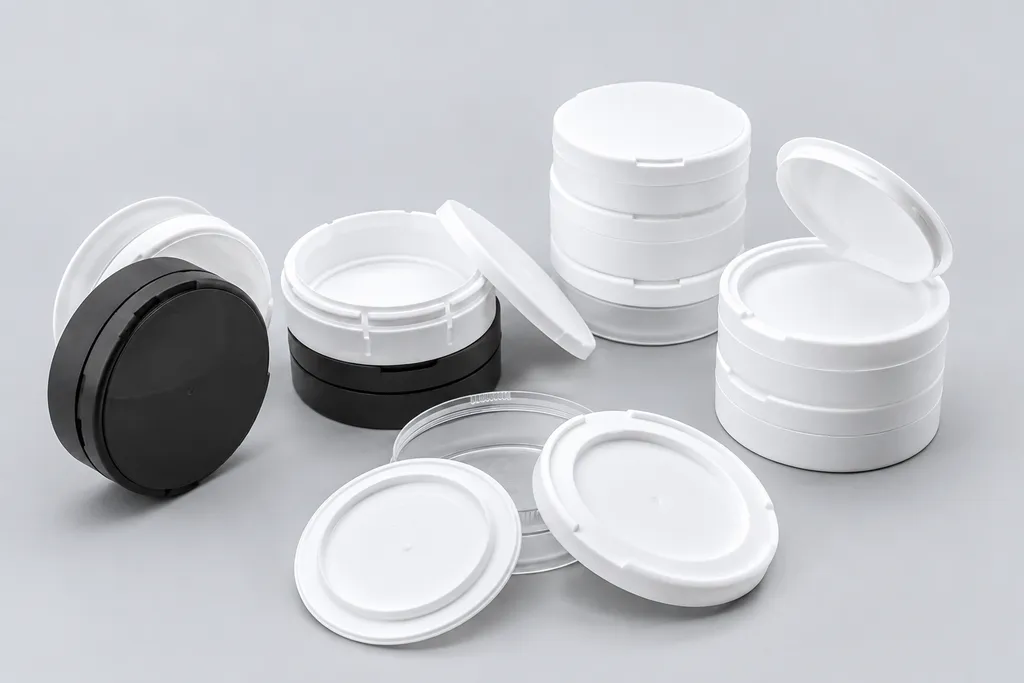
| Flip-top | Dry nicotine pouches, travel formats | Good | Moderate | Medium | Yes |
| Snap-lid | Moist snus, premium lines | Excellent | Excellent | Medium-High | No |
| Snap-on lid | Samples, promos, low-cost launches | Basic | Limited | Low | No |
Flip-top cans
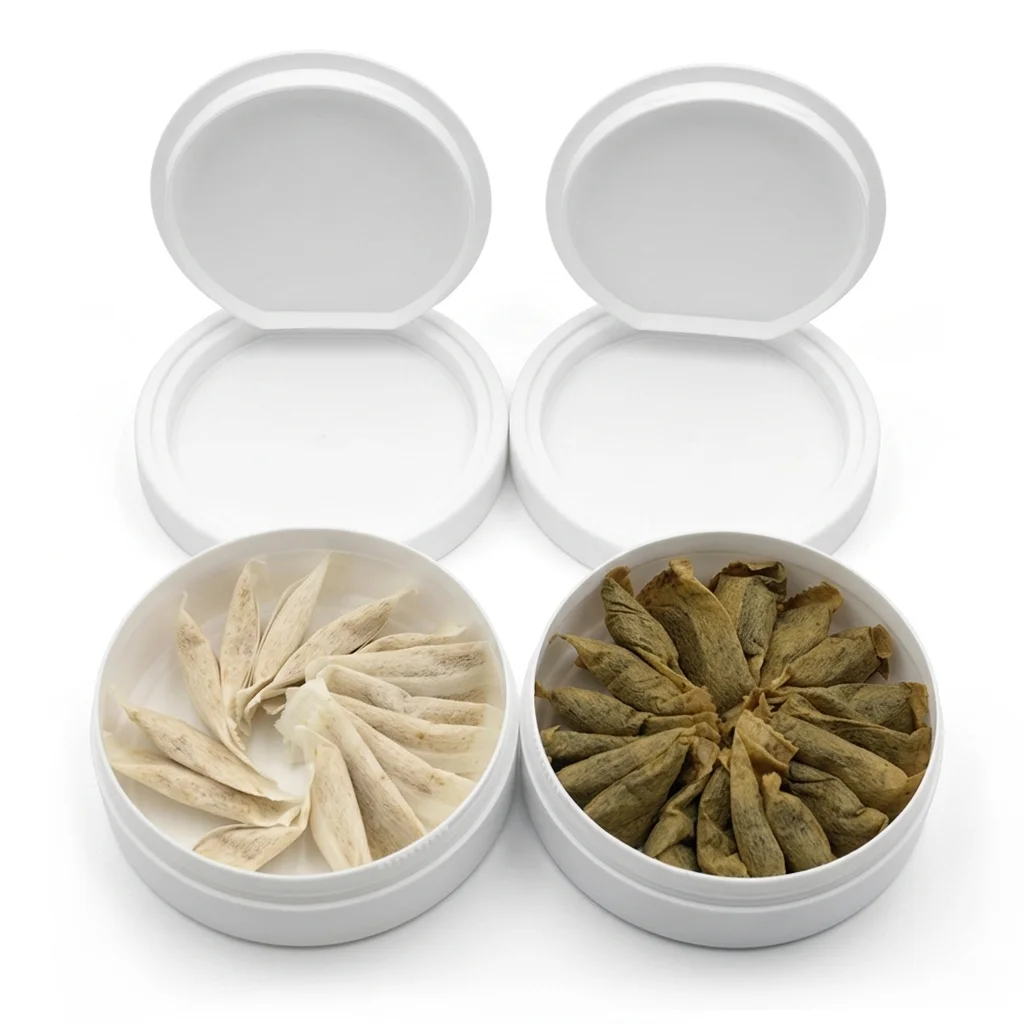
Flip-top closures are popular for dry nicotine pouches because users can open them with one hand. They are also the format many consumers associate with modern pouch brands. If convenience and portability are your main selling points, start here.
Snap-lid cans
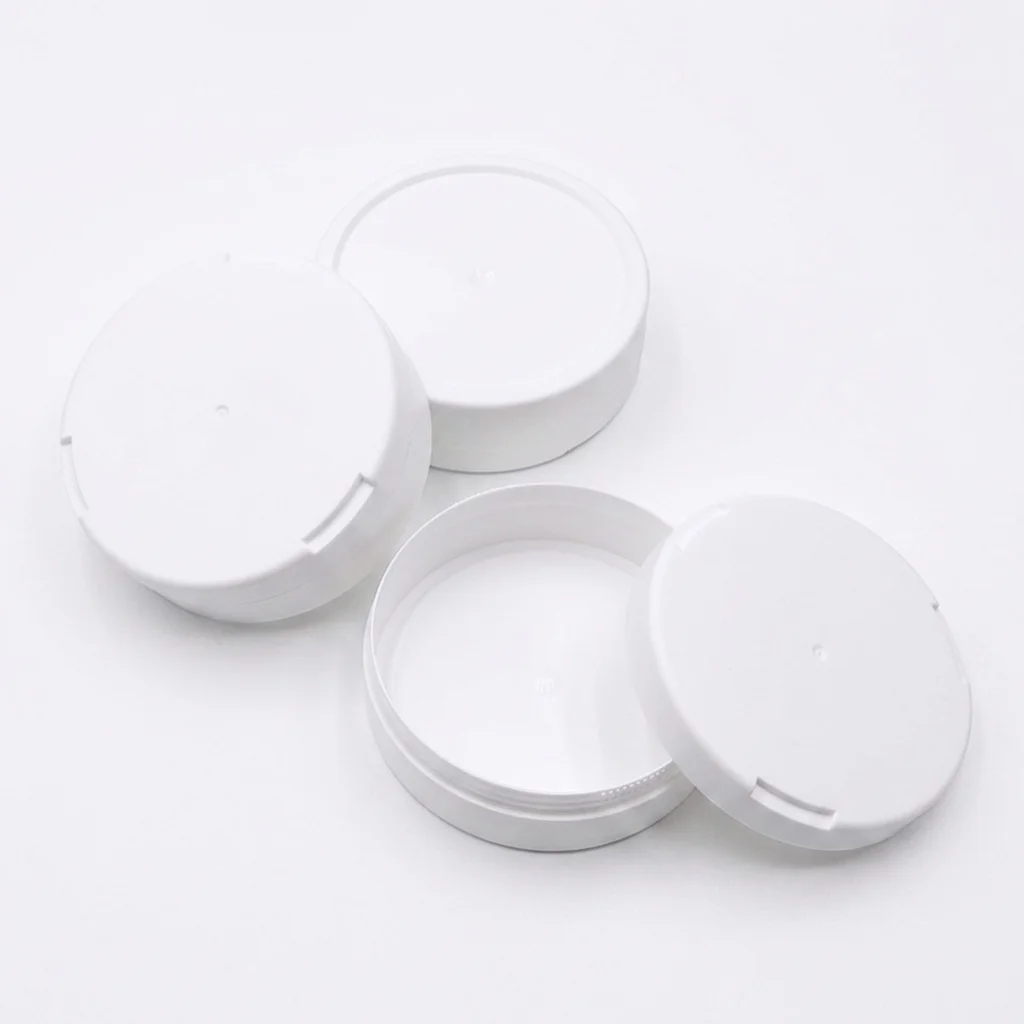
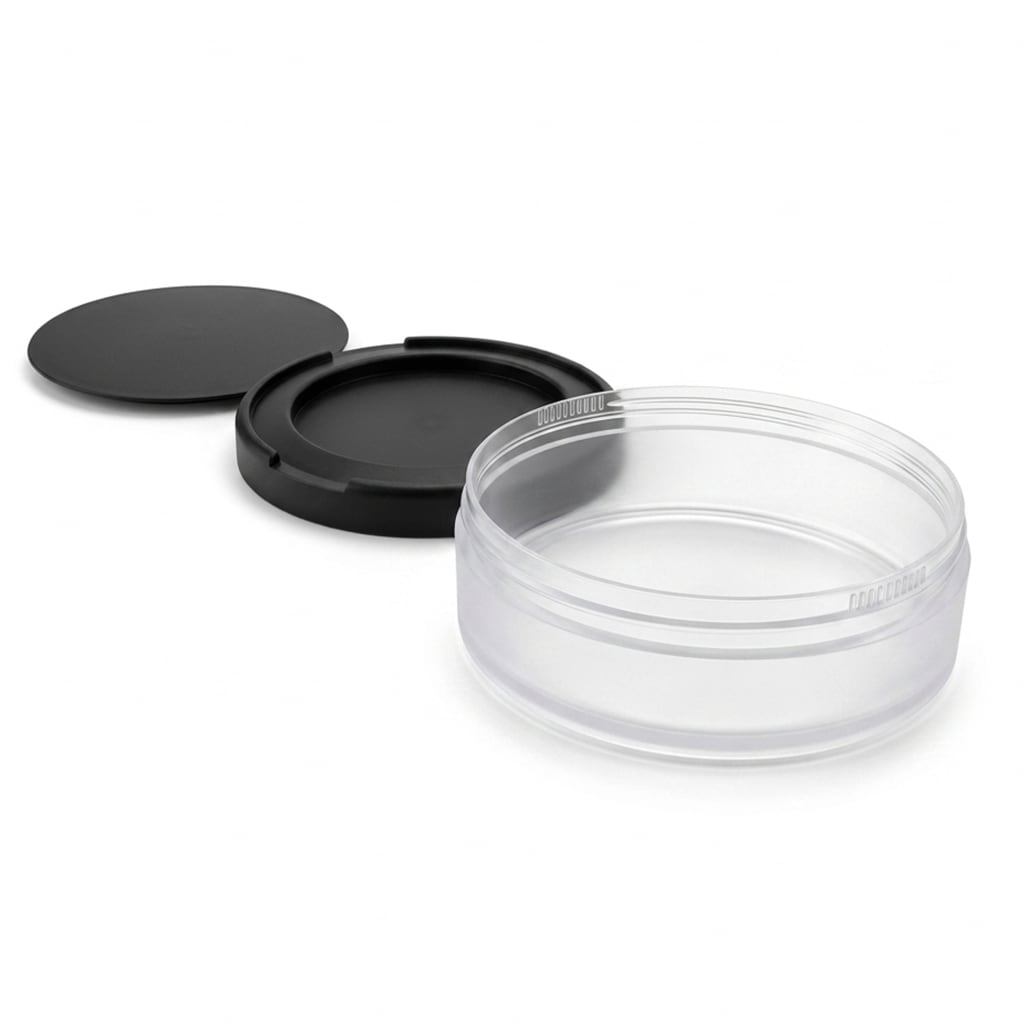
Snap-lid closures with an optional silicone gasket create a tight, reliable seal, and MANKE’s child-resistant push-and-turn cans keep the same Ø70 mm format. If your product is moist snus or you are selling in markets requiring CR packaging, snap-lid is usually the safest entry choice.
Snap-on lid cans
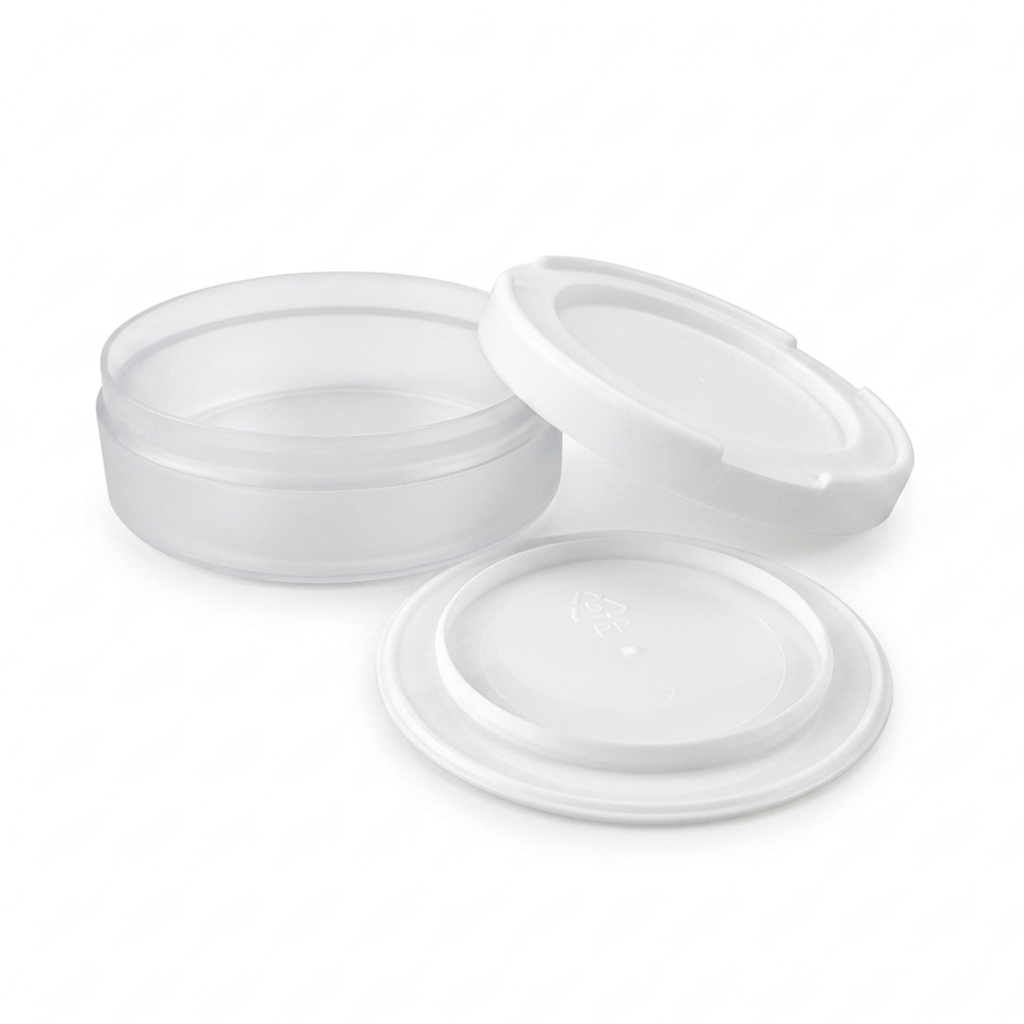
Snap-on lids keep per-piece cost low and assembly simple. They work well for sample packs, promotional giveaways, or budget launches where moisture exposure is limited and CR compliance is not required.
Step 2: Confirm Capacity and Pouch Count
A common sourcing mistake is choosing a can by appearance without validating how many pouches the can actually holds. Capacity depends on:
- Pouch dimensions (slim, mini, regular, large)
- Fill weight per pouch
- Whether you add a desiccant insert or divider
- Headroom needed for comfortable opening
A standard round plastic snus can in the 15–20 gram range typically holds 15–24 regular pouches. The best way to confirm is to send your filled pouches to your supplier and request a compatibility test.
Step 3: Plan for Child-Resistant Compliance
If you are targeting the US, EU, UK, Canada, or Australia, child-resistant (CR) packaging is commonly required or strongly recommended for many nicotine products. Requirements depend on the destination market and product category, so confirm the exact rule for your product through a compliance consultant or testing lab. MANKE plastic snus cans can be produced to meet ISO 8317 child-resistant packaging requirements.
When sourcing CR cans, ask your supplier for:
- ISO 8317 or 16 CFR 1700.20 test reports
- Opening torque and force consistency across batches
- Tamper-evident band options if required by your market
- Documentation timeline (certification timelines depend on laboratory availability and testing scope)
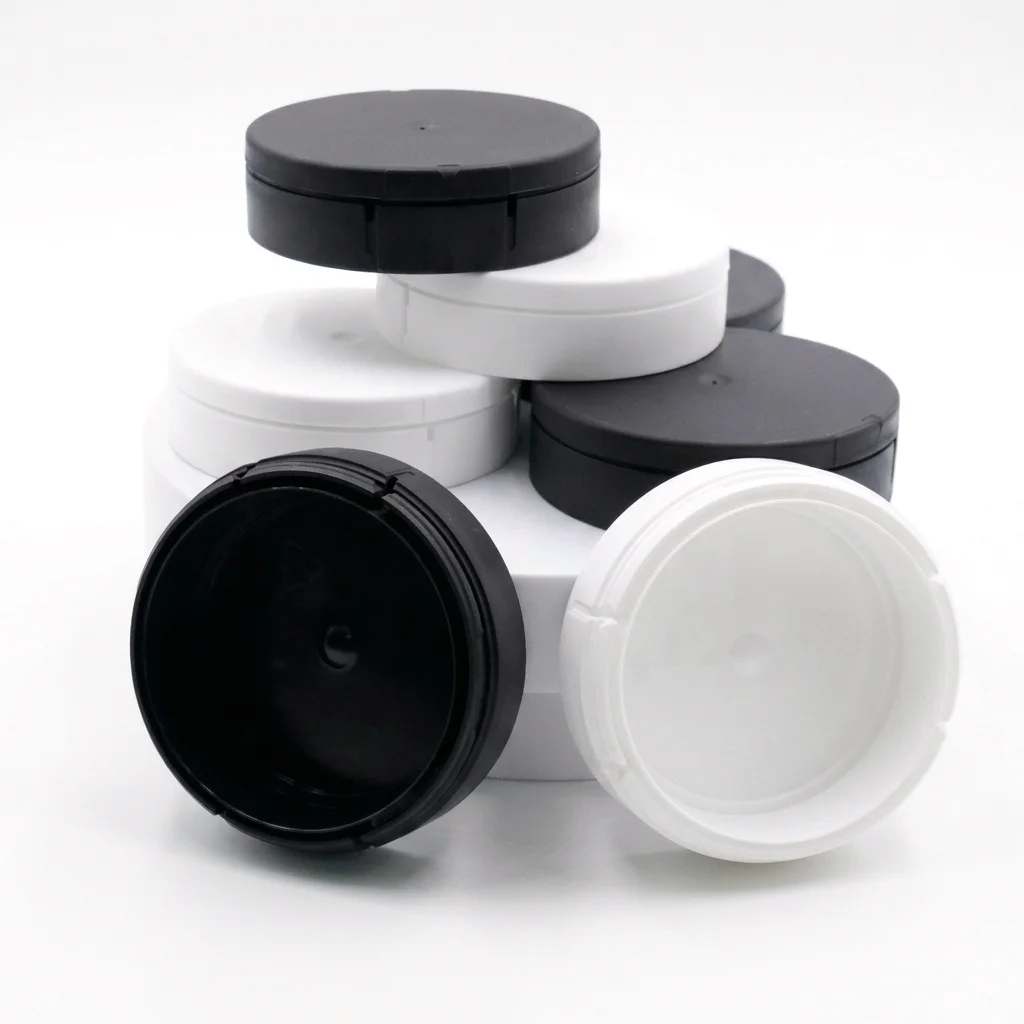
MANKE’s certified CR option is a push-and-turn design in the same Ø70 mm format as the standard line. Match the closure to your compliance path before you lock the design.
Step 4: Define Your Customization Requirements
Plastic snus cans can look generic or premium depending on how you finish them. Common customization options include:
- Pantone color matching for brand consistency
- In-mold labeling (IML) for durable, high-resolution graphics
- Shrink sleeve labeling for lower MOQ and faster design changes
- Embossed or debossed logos for tactile premium feel
- Desiccant inserts or dividers for product stability
For fully custom dimensions, colors, closures, and decoration, explore our OEM services.
Step 5: Set Your MOQ and Sampling Plan
Never skip sampling. A can looking perfect in photos can feel wrong in hand, hold fewer pouches than expected, or fail label adhesion in your climate.
MANKE recommends the sequence:
- 5,000–10,000 piece sampling batch to validate closure, capacity, and decoration
- 10,000+ piece pilot order for custom colors and branding
- Scale to 50,000–100,000+ pieces once the design is locked
See our early-stage launch program if you need flexible pilot pricing.
Step 6: Evaluate Your Empty Snus Can Supplier
Working with an experienced snus can manufacturer helps brands validate materials, closure performance, and production consistency before bulk orders. If you are comparing a plastic snus can supplier for a private-label launch, verify five things before paying an advance:
- Material certificates — FDA food-contact and EU 10/2011 documentation for the resin and finish
- CR test reports — ISO 8317 or 16 CFR 1700.20 reports for child-resistant claims, tied to the specific SKU
- Mold ownership — who controls the tooling if you order a custom shape or closure
- Sample approval process — how the supplier validates pouch count, seal integrity, and decoration adhesion
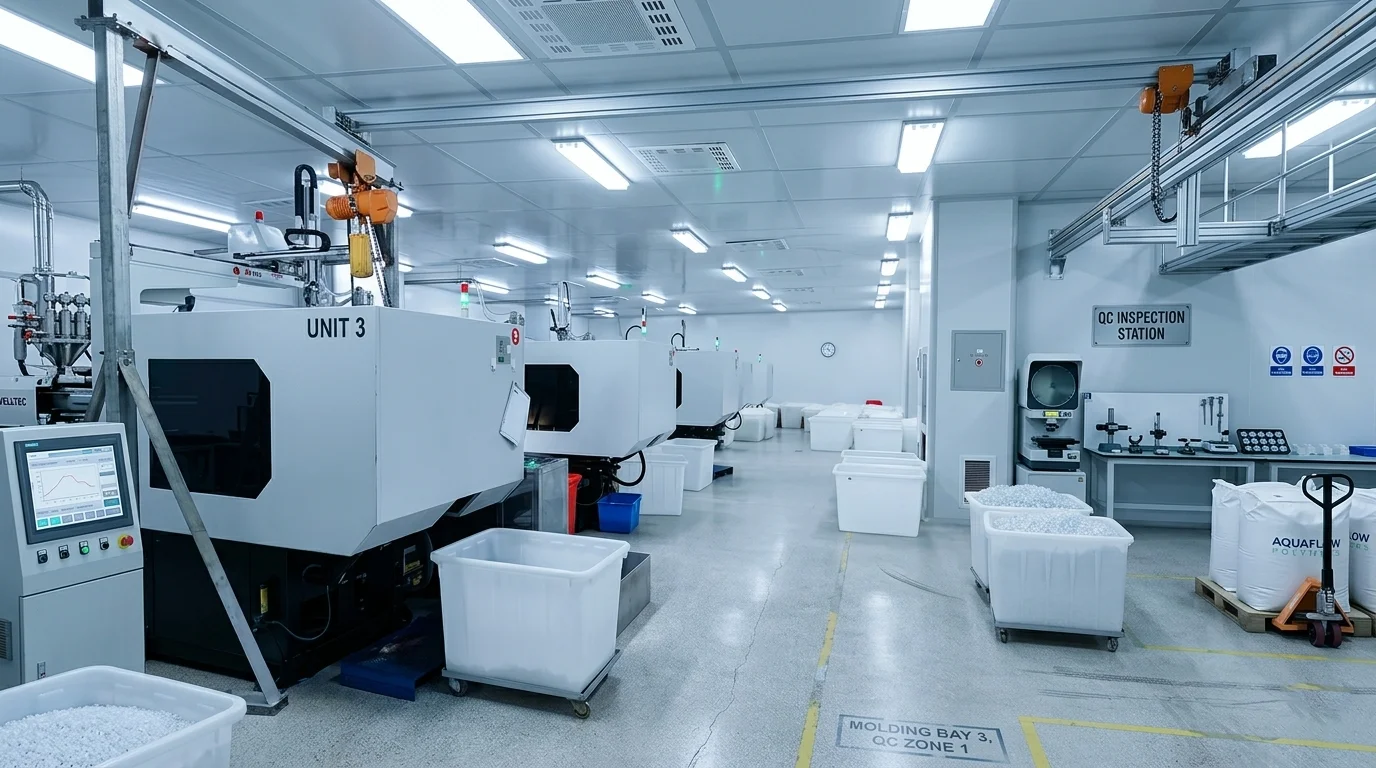
- Production capacity — whether the factory can support your pilot and scale volumes without rescheduling other customers
For a full procurement workflow, see How to Source Bulk Empty Snus Cans from China. For brand owners looking to launch under their own label, explore private label nicotine pouch packaging.
Quick Decision Framework
Use the table to narrow your choice:
| Your Situation | Recommended Closure | Next Step |
|---|---|---|
| Dry nicotine pouches, convenience focus | Flip-top | Request samples + compatibility test |
| Moist snus, premium positioning | Snap-lid | Add CR compliance review |
| Sample packs, tight budget | Snap-on lid | Confirm no CR requirement |
| US/EU/Canada launch | Push-and-turn CR | Request ISO 8317 test report |
Get Samples Before You Order
Reading specs is useful, but holding the can in your hand is decisive. Request free samples and our team will recommend the best closure, material, and compliance path for your target market.
If you want a structured comparison worksheet, download the free checklist below.
Related guides:
- Empty Snus Cans: Manufacturer Guide — Full product overview, pricing, and how to start an order
- Empty Snus Can Specifications & Sizes Guide — Exact dimensions, weights, and capacities
- Aluminum vs Plastic Snus Cans — Material comparison for your brand