When buyers prepare to enter GCC nicotine pouch packaging compliance programs, many only discover documentation gaps after samples are approved or production has started. The result is avoidable delays in customs review, retailer onboarding, and launch timelines.
The guide explains what to prepare when sourcing empty nicotine pouch packaging for GCC markets, how to distinguish a packaging supplier from a finished-product manufacturer, and which questions reduce customs and retailer delays.
Why GCC Buyers Need to Clarify Supplier Roles First
One of the most common points of confusion in GCC market entry is the boundary between the packaging supplier and the finished-product manufacturer.
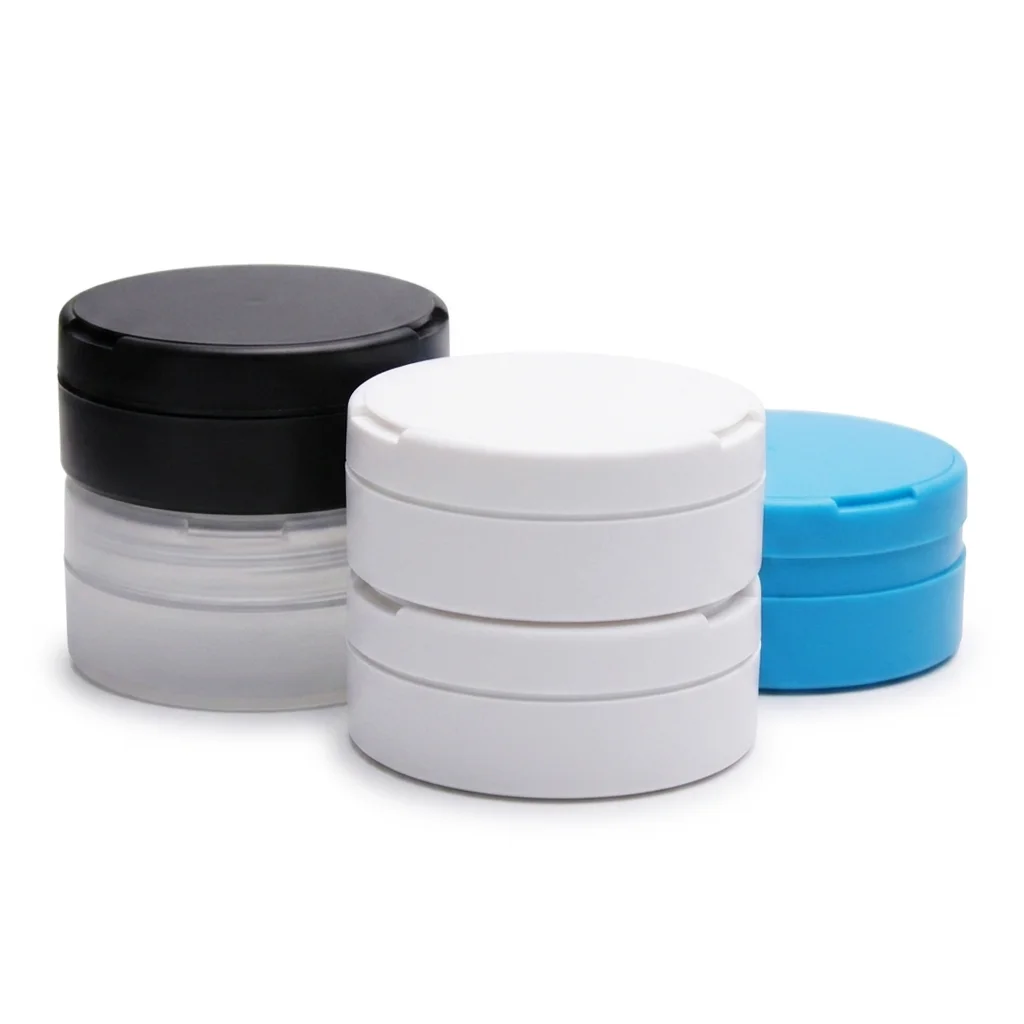
A packaging supplier such as MANKE provides:
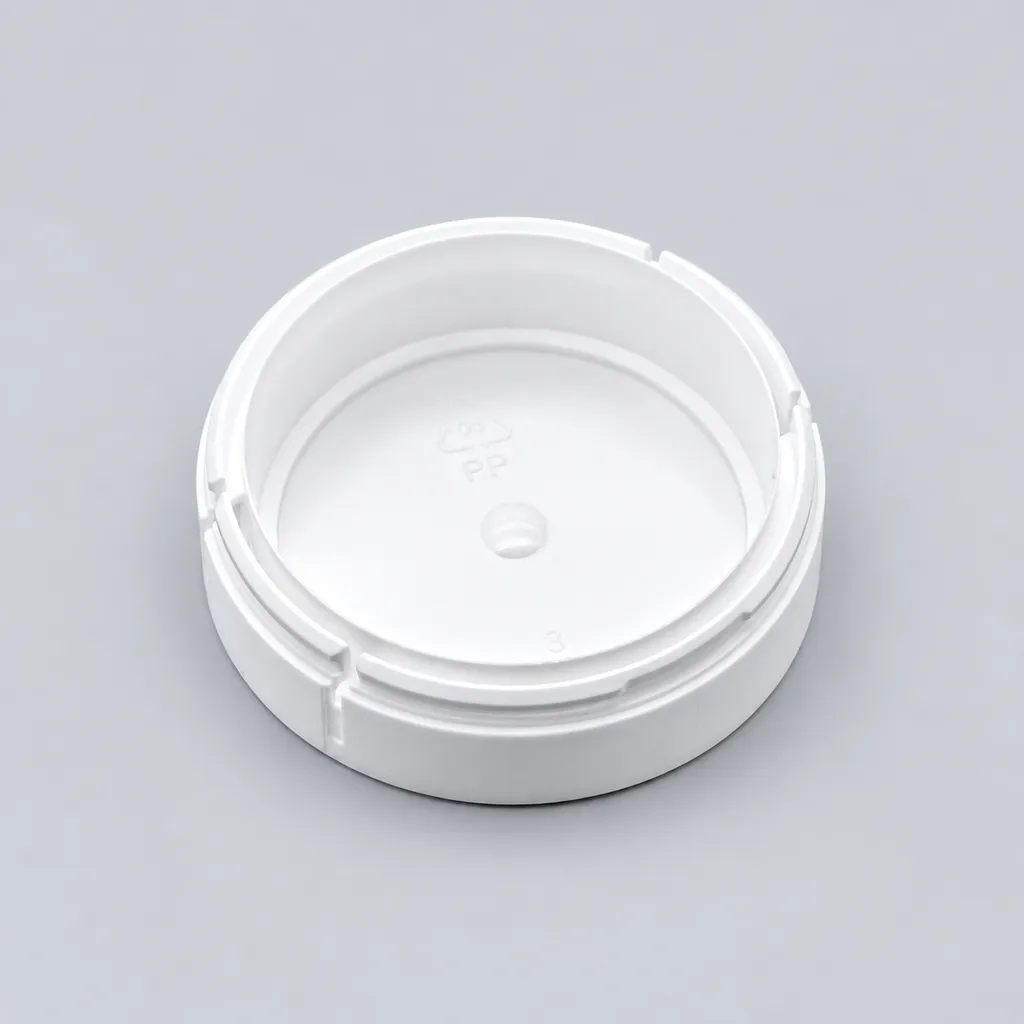
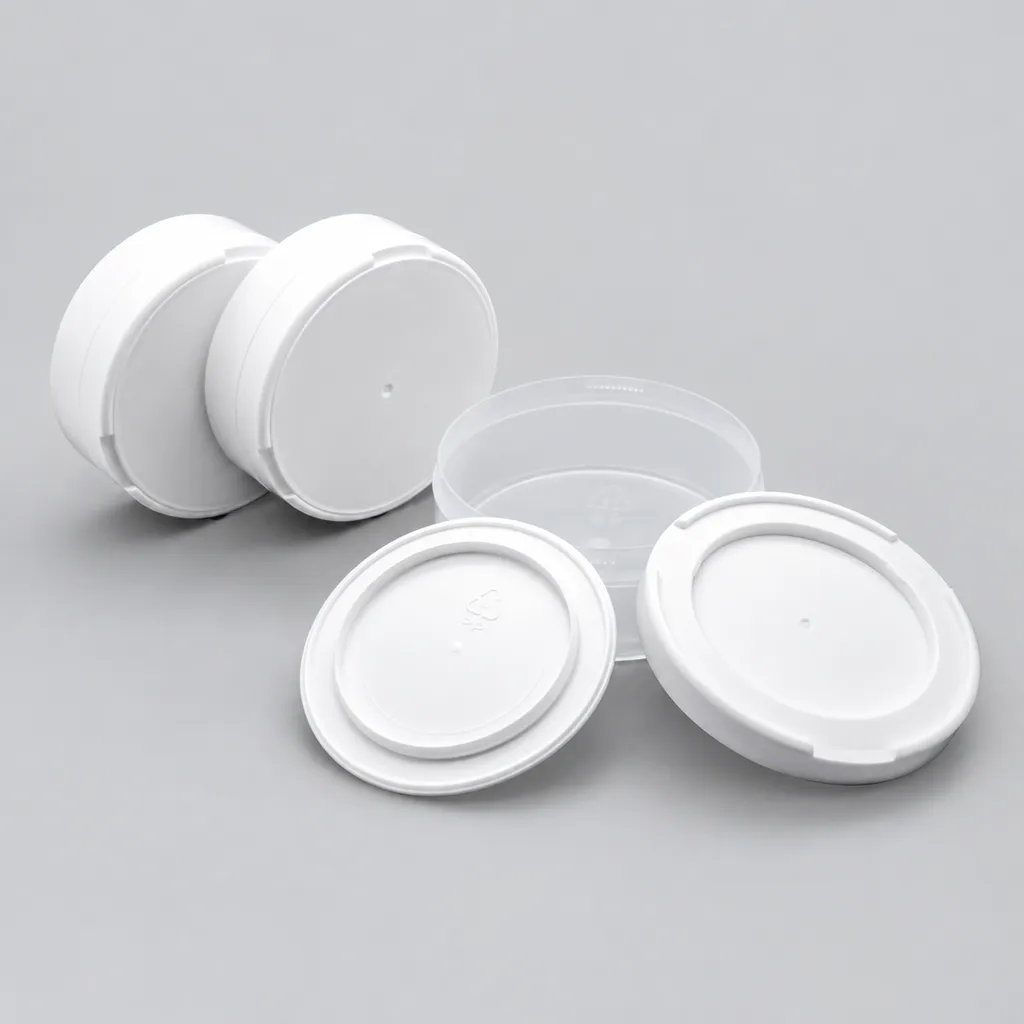
- Empty child-resistant and standard snus cans
- Closures, labels, and decoration
- Packaging and material-level compliance documentation
- OEM customization and sampling support
A finished-product manufacturer or licensed importer typically handles:
- Pouch filling and formulation
- Product-level certificates such as GMP, HACCP, or nicotine-content reports
- Finished-consumer-goods labeling and market registration
Document Responsibility Matrix
| Document or Record | Packaging Supplier (MANKE) | Finished-Product Manufacturer |
|---|---|---|
| ISO 8317 / GSO ISO 8317:2015 CR test report | Provides | Does not provide |
| Material safety / heavy metals report | Provides | Does not provide |
| Certificate of Analysis for resin or cans | Provides | Does not provide |
| ISO 9001 factory quality documentation | Provides | Does not provide |
| GMP / HACCP certificate | Does not provide | Provides |
| Nicotine content / microbiology report | Does not provide | Provides |
| Finished-product market registration | Does not provide | Provides |
The distinction matters because GCC customs and retail partners may request documents from both parties. If a buyer expects the packaging supplier to provide finished-product certificates, the shipment can be delayed while the correct documents are located. MANKE clarifies the scope early so importers know which documents come from which supplier.
Learn how MANKE supports CR packaging documentation →
Common Documents Buyers Should Prepare
The exact document stack depends on the product, market, and sales channel. In many GCC import cases, buyers should prepare or request documentation across several categories:
1. Product Specifications
- Can dimensions and capacity
- Closure type (snap-lid, snap-on, flip-top, or child-resistant)
- Material (food-grade PP, aluminum, etc.)
- Decoration and labeling requirements
2. Packaging and Material Certificates
- ISO 8317 or GSO ISO 8317:2015 child-resistant test reports
- FDA food-contact or EU 10/2011 material declarations
- Heavy metals and material safety documentation
- Certificate of Analysis (COA) per batch
3. Factory Quality Records
- ISO 9001 quality management documentation
- Production traceability records
- Export Certificate or Certificate of Origin
4. Finished-Product Certificates
These usually come from the licensed finished-pouch manufacturer, not the packaging supplier:
- GMP and HACCP documentation
- Nicotine content and microbiology reports
- Market-specific registration documents
5. Customs and Import Paperwork
- Commercial invoice and packing list
- Certificate of Origin
- Import license or registration where applicable
6. Sample Approval Records
- Pre-production samples signed off by the buyer
- Sample photos, measurements, and test results
- Confirmation that samples match the planned production configuration
MANKE can support the packaging and material layers directly. For finished-product certificates, MANKE redirects buyers to their licensed pouch manufacturer or regulatory consultant.
Why Child-Resistant Packaging Matters in Regulated Markets
In regulated retail channels, child-resistant packaging is often treated as a market-entry requirement rather than a premium upgrade. Similar documentation expectations are often seen in regulated packaging markets, although requirements vary by country and product category.
For nicotine pouch brands, a CR can means:
- The closure requires a coordinated motion to open
- The design has been tested against recognized standards such as ISO 8317 or 16 CFR 1700.20
- Third-party test reports are available for customs and retailer review
MANKE’s child-resistant snus can is tested against ISO 8317 and 16 CFR 1700.20 requirements, while GSO ISO 8317:2015-related certification support can be arranged for applicable GCC programs through accredited third-party laboratories.
Questions to Ask a Packaging Supplier Before Ordering
Use this checklist to evaluate whether a packaging supplier can support your GCC compliance workflow:
- Which CR standards can you document? Look for ISO 8317, 16 CFR 1700.20, and GSO ISO 8317:2015 where applicable.
- What documents are included with each shipment? Confirm whether test reports, COAs, and material declarations are bundled.
- Do you provide samples before production? Sampling reduces the risk that the final SKU does not match your expectations.
- What is your MOQ for standard vs. custom colors or dimensions? The MOQ difference affects pilot-order planning.
- Can you support custom decoration or labeling? GCC markets may have specific labeling language or symbol requirements.
- What is your standard lead time for sampling and production? Plan the lead time against your market-entry timeline.
A supplier able to answer these questions clearly is more likely to reduce customs and retailer onboarding friction.
Typical GCC Buyer Preparation Timeline
Most GCC-bound nicotine pouch programs move through five practical stages. Mapping documentation needs to each stage prevents last-minute gaps.
| Stage | Buyer Action | MANKE Support |
|---|---|---|
| 1. Sample review | Evaluate can structure, closure, and decoration | Sample cans + material specification sheets |
| 2. Documentation review | Confirm packaging certificates and material compliance | ISO 8317 reports, COAs, material declarations |
| 3. Customization approval | Lock color, label, closure, and dimensions | Custom decoration support + sample confirmation |
| 4. Production confirmation | Approve pre-production samples and shipping terms | OEM manufacturing with production traceability |
| 5. Bulk order + shipment | Receive documentation package with shipment | Test reports, COAs, export certificates bundled |
This timeline also applies to brands exploring private-label nicotine pouch packaging, where the same documentation discipline reduces launch risk.
How MANKE Supports GCC Compliance Preparation
MANKE’s role as a packaging supplier is to provide empty, compliant nicotine pouch cans and the documentation that belongs to the packaging layer:
- Standard CR cans such as MK-SNUS-PP-CR, tested to ISO 8317 and 16 CFR 1700.20
- Aluminum CR cans such as MK-SNUS-AL-CR for premium positioning
- GSO ISO 8317:2015 certification arranged through accredited third-party laboratories
- Packaging-level documentation including material declarations, COAs, and export certificates
- Sampling and customization support for color, decoration, and closure selection
MANKE does not provide finished-product certificates such as GMP, HACCP, or nicotine-content reports. These must come from the buyer’s licensed finished-pouch manufacturer. MANKE clarifies the boundary early to help GCC importers avoid documentation gaps.
Request a GCC compliance review →
Sources & Claims
This article separates verified product information, industry context, and claims that require buyer-side verification. It draws on anonymized patterns observed in GCC and UAE importer inquiries. It does not:
- Claim that any specific GCC country requires a fixed list of documents
- Present MANKE as a regulatory legal advisor
- State that MANKE provides finished-product certificates such as GMP or HACCP
- Treat GSO ISO 8317:2015 as automatically equivalent to ISO 8317 in all jurisdictions
- Name real customers or specific import transactions
Related Reading
- F-Value Reports in Child-Resistant Packaging: What They Mean
- Snus Can Lid Types: Choose the Right Closure
Author
MANKE Product Engineering Team
MANKE specializes in compliance-focused packaging manufacturing for nicotine pouch and related regulated-market applications, with documentation support, OEM sampling workflows, and supplier-boundary clarity for US, EU, UK, Canada, and GCC markets.